$19 Billion Could Vanish from Bitcoin ETFs: Understanding the Market Dynamics
Recent headlines suggest that $19 billion could vanish from Bitcoin ETFs, raising concerns about market stability. However, it's essential to understand the underlying mechanisms that shape investor sentiment and market valuation.
Written by CoinArticle’s AI Newsroom · from 1 cited source. How we work
$19 Billion Could "Vanish" from Bitcoin ETFs Without a Single Bitcoin Being Sold
Recent headlines have raised eyebrows in the cryptocurrency sphere, particularly regarding the staggering potential for $19 billion to "vanish" from Bitcoin Exchange-Traded Funds (ETFs) due to changes in market valuation. While this perspective may evoke concern, it is crucial to understand the dynamics at play, which often blur the lines between actual market activity and perceived volatility.
The Dynamics of Bitcoin ETFs
Bitcoin ETFs allow investors to gain exposure to Bitcoin (BTC) without the need to hold the underlying asset directly. These funds function on a structure that ties share prices to the market value of Bitcoin, ensuring that performance reflects Bitcoin's price changes. As prices fluctuate—often rapidly—so too does the Asset Under Management (AUM) for these ETFs.
When Bitcoin experiences a price drop, the AUM of these funds likewise decreases in dollar value. This decline can lead to headlines suggesting that funds are "leaving" Bitcoin ETFs. However, it's essential to recognize that this drop does not necessarily mean that investors are cashing out or that institutional capital is fleeing the crypto market; it is simply a reflection of market valuation.
Understanding Outflows vs. Market Movement
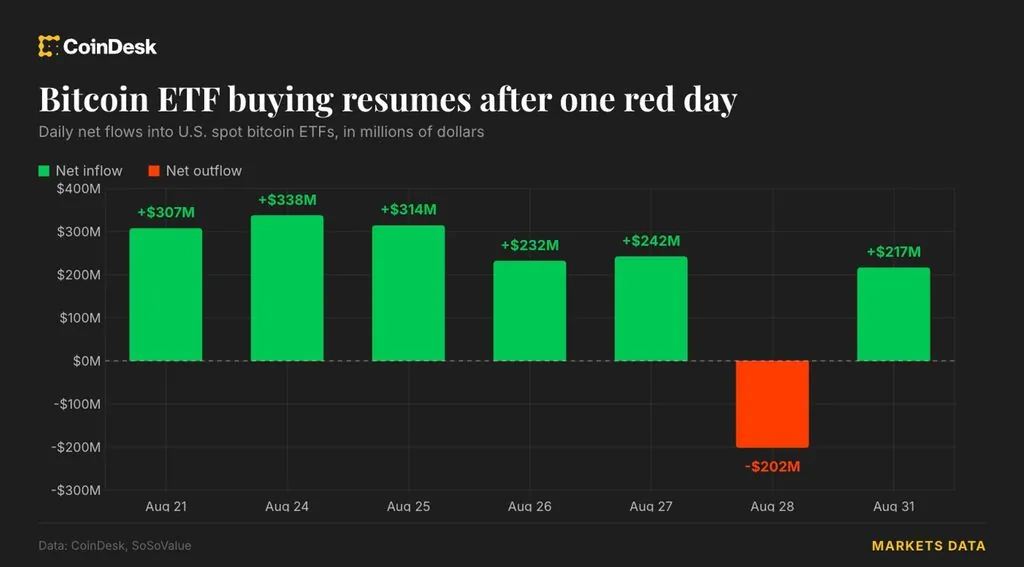
Headlines about outflows from Bitcoin ETFs frequently conflate two distinct scenarios: actual share redemptions and the effects of a market downturn. In many cases, a drop in Bitcoin's price may lead to a substantial decrease in the reported dollar value of funds under management. This mark-to-market event can be perceived as investors pulling money from the ETFs, when, in fact, no actual shares have been sold.
This misunderstanding has significant implications, particularly for market sentiment. Traders and investors witnessing reports of substantial "outflows" may fear that institutional interest in Bitcoin is waning. This misconception could trigger further selling pressure and instability.
Why It Matters
For Traders
Understanding the true nature of ETF inflows and outflows is vital for traders who seek to make calculated investment decisions. Recognizing that a paper loss does not equate to actual investor withdrawals can help mitigate unnecessary panic in the market, encouraging a more rational trading strategy based on real fundamentals.
For Investors
For long-term investors, it's important to focus on the underlying value of Bitcoin rather than reacting to short-term market fluctuations. The exposure to Bitcoin ETFs can still offer a strategic advantage, even as the reported valuation fluctuates. Investors should look beyond the headlines to gauge overall market sentiment and trends.
For Builders
For those developing in the crypto space, an understanding of these dynamics can inform better strategies for product offerings and client communication. Misinterpretations of market data can influence user behavior and overall market health, so addressing these misconceptions openly can facilitate a more stable environment for innovation.
In conclusion, while headlines about potential losses in Bitcoin ETFs may seem alarming, they highlight the importance of comprehending the true mechanisms at work. The future of cryptocurrency remains complex, but a clearer understanding of market interpretations can ultimately guide better decision-making across the board.
Entities: Bitcoin ETFs, Bitcoin (BTC)
Categories: Markets, Cryptocurrency, Finance
This article is for information only and is not financial advice. Read the full disclaimer.