1inch’s Legal Officer Highlights Regulatory Gaps in DeFi Understanding
1inch's Chief Legal Officer emphasizes that regulators misunderstand DeFi systems, creating significant legal risks. As DeFi evolves, understanding these nuances is crucial for fostering innovation while ensuring security.
Written by CoinArticle’s AI Newsroom · from 1 cited source. How we work
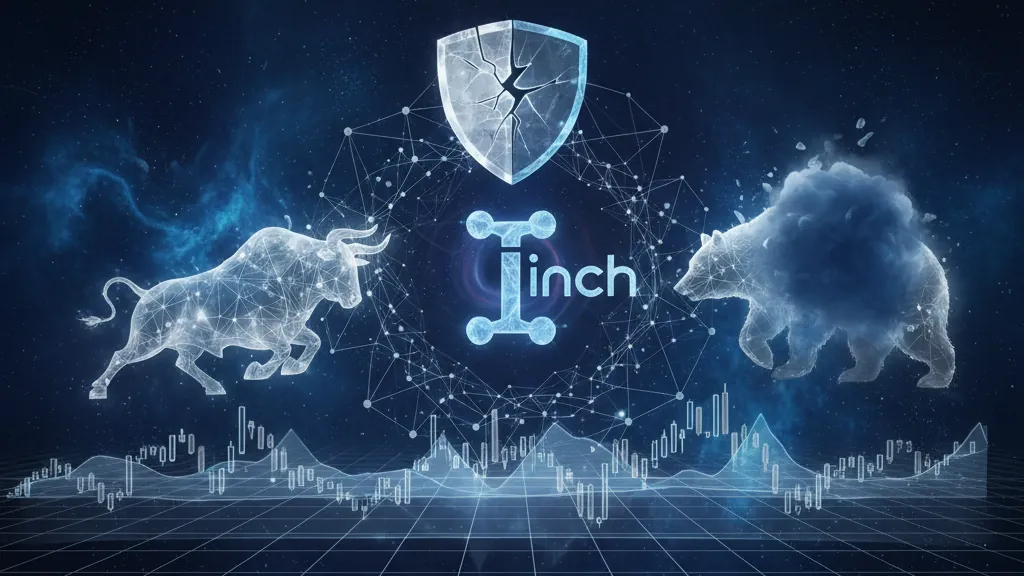
1inch’s Chief Legal Officer Warns Regulators Still Don’t Understand DeFi as Legal Risks Evolve
The decentralized finance (DeFi) landscape is one of the most dynamic sectors within the cryptocurrency space. However, according to the Chief Legal Officer of 1inch, a prominent decentralized exchange (DEX) aggregator, many regulators still lack a fundamental understanding of how these systems truly operate. This oversight presents significant challenges as legal risks in DeFi continue to evolve.
Regulatory Gaps in Understanding
Speaking at a recent industry conference, the Chief Legal Officer of 1inch stressed that most policymakers do not fully grasp the nuances of non-custodial systems, which underpin many DeFi applications. This misunderstanding complicates the process for regulators to craft effective rules that safeguard participants without stifling innovation in the sector. Without a comprehensive grasp of DeFi principles, regulators may inadvertently impose frameworks that could hinder growth and limit access.
1inch, known for its innovative approach to routing trades across multiple liquidity protocols, exemplifies the complexity inherent in DeFi. By aggregating various DEXs, 1inch allows users to access a more extensive range of trading pairs and better pricing, all without requiring custody of assets. This non-custodial feature is integral to DeFi, but as the Chief Legal Officer highlights, it complicates the regulatory landscape.
Evolving Legal Risks
As DeFi continues to mature, the associated legal risks are evolving. The Chief Legal Officer noted that compliance, consumer protection, and financial stability issues are becoming more pronounced. Regulators often focus on traditional financial metrics, overlooking the decentralized ethos that drives DeFi platforms. This focus can lead to regulations that fail to account for the unique characteristics of these systems.
Furthermore, the pace of evolving technologies and methodologies used in DeFi could outpace regulatory responses. If reactions are reactive rather than proactive, the sector might face an environment of uncertainty, deterring investment and innovation.
Why It Matters
For Traders
Traders engaging with DeFi platforms must remain vigilant amid this evolving regulatory landscape. Changes in policy could affect operational procedures, trading fees, or access to certain protocols, making it key to stay informed for navigating potential risks.
For Investors
Investors in DeFi and DEX aggregators like 1inch should consider the regulatory risks that could influence the value and viability of their investments. Understanding the legal climate is essential for making informed decisions, as regulations may impact liquidity, asset pricing, and the overall health of the DeFi ecosystem.
For Builders
For developers and entrepreneurs in the DeFi space, the Chief Legal Officer's comments serve as a call to action. Engaging in constructive dialogue with regulators may be crucial to shaping a regulatory environment that encourages innovation while protecting users. Developing compliant and adaptable products in response to evolving rules will be fundamental for success in this fast-paced domain.
In summary, as the DeFi landscape continues to grow, the need for clear and informed regulation becomes ever more critical. Industry players must work together to ensure that regulators fully comprehend the unique aspects of decentralized finance, aiming to create a balanced framework that fosters innovation without compromising security.
This article is for information only and is not financial advice. Read the full disclaimer.