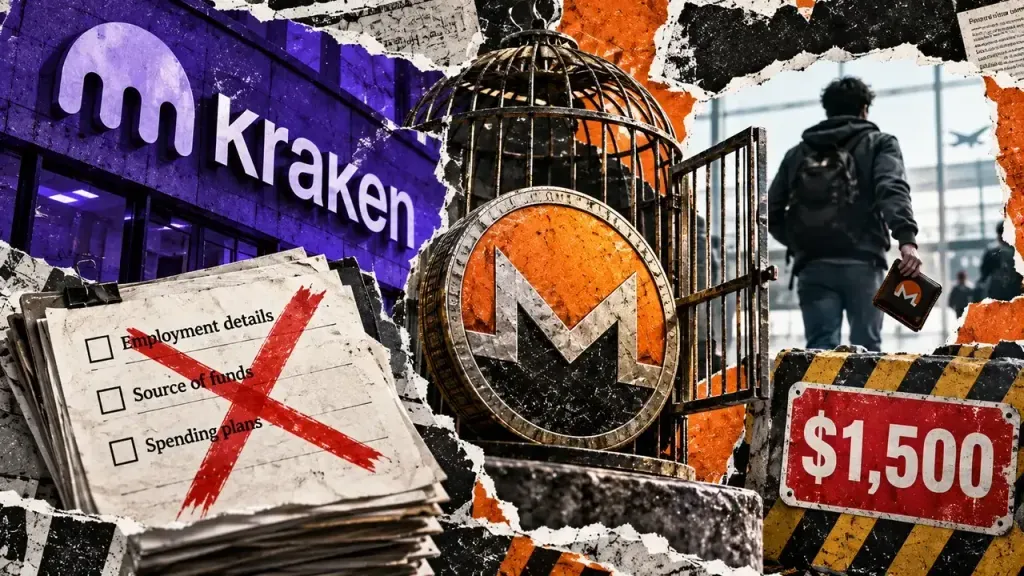
2025: The Year of Regulatory Transformation in Cryptocurrency
2025 marks a pivotal year for cryptocurrency regulation, with global bodies implementing cohesive frameworks that balance consumer protection and technological innovation. This transformation is set to reshape the digital asset landscape significantly.
Written by CoinArticle’s AI Newsroom · from 1 cited source. How we work
Introduction
The cryptocurrency landscape is undergoing a pivotal transformation in 2025 as governments and regulatory bodies worldwide implement comprehensive frameworks to govern digital assets. This year signifies a significant departure from the fragmented regulatory approaches of previous years, moving toward more structured and coordinated policy measures that will fundamentally shape the future of blockchain technology and cryptocurrency adoption globally.
Global Regulatory Trends
2025 has emerged as a watershed year for cryptocurrency regulation, characterized by a shift towards greater clarity and standardization. Regulatory bodies across various jurisdictions are prioritizing consumer protection, anti-money laundering (AML) compliance, and financial stability while simultaneously striving to foster innovation in the digital asset space. This trend reflects the maturation of the crypto industry, with policymakers increasingly aware of the need to harmonize oversight with technological advancement.
International coordination has gained prominence as regulators recognize that the borderless nature of cryptocurrency necessitates collaborative approaches. Cross-border frameworks are actively being developed to address challenges related to enforcement, taxation, and investor protection in an interconnected digital economy.
Regional Developments
Different regions are embracing distinct regulatory approaches based on their economic priorities and technological readiness. Developed economies are putting comprehensive frameworks into place that address cryptocurrency exchanges, stablecoins, and decentralized finance (DeFi) protocols. These jurisdictions are establishing licensing requirements, capital reserves, and operational standards for crypto service providers.
Conversely, emerging markets exhibit varied responses; some are adopting digital assets as tools for financial inclusion, while others maintain cautious or restrictive stances. Regional economic blocs are working to harmonize policies among member states, creating unified regulatory environments that facilitate legitimate crypto activities while mitigating associated risks.
Implications for the Digital Asset Ecosystem
The evolving regulatory landscape presents both opportunities and challenges for the cryptocurrency industry. Clearer frameworks are expected to stimulate institutional adoption and mainstream integration of digital assets, unlocking new capital inflows and use cases. However, compliance costs and operational requirements may pose barriers for smaller projects and startups.
Market participants must adapt to increased reporting obligations, heightened know-your-customer (KYC) requirements, and enhanced transparency standards. This regulatory evolution is likely to favor established players with the resources to navigate complex compliance landscapes, potentially diminishing the anonymity and decentralization that initially attracted many cryptocurrency adopters.
Conclusion
The regulatory developments shaping cryptocurrency in 2025 represent a critical juncture for the digital asset industry. As policies continue to evolve worldwide, stakeholders across the ecosystem must remain informed and adaptable to successfully navigate this changing regulatory environment.
Why It Matters
For Traders
The growing regulatory clarity is likely to reduce volatility and increase institutional participation, potentially leading to more stable asset values and increased liquidity in the cryptocurrency market.
For Investors
Long-term investors can benefit from a more stable regulatory environment that may boost investor confidence, leading to increased capital inflows and further legitimization of digital assets as a valuable investment class.
For Builders
Developers and builders in the cryptocurrency space will need to align with new regulations, which may present challenges. However, those who can navigate compliance effectively will be well-positioned to innovate and serve a more extensive user base as mainstream adoption grows.
This article is for information only and is not financial advice. Read the full disclaimer.