Aave's Governance Crisis Sparks Debate Over DAO Control and Brand Rights
Aave faces a pivotal governance crisis as tensions rise between the Aave DAO and Aave Labs over control of the protocol's brand and assets. The outcome could set a precedent for tokenholder rights and the balance of power between DAOs and development companies.
Written by CoinArticle’s AI Newsroom · from 2 cited sources. How we work
Aave's Governance Crisis Sparks Debate Over DAO Control and Brand Rights
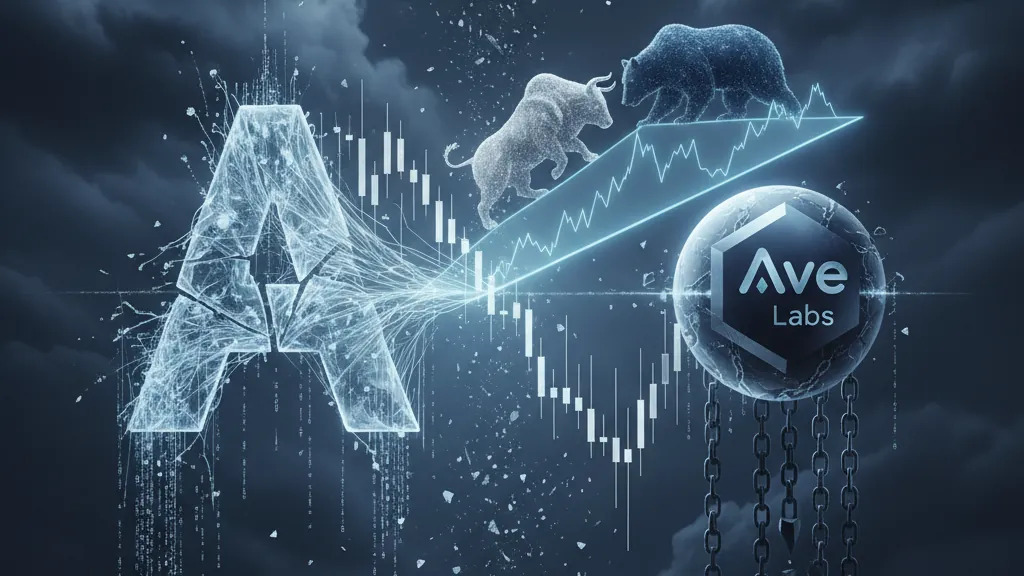
The Aave community is grappling with a critical governance crisis as a sharp divide emerges over control of the protocol's brand and related assets. This escalating dispute between the Aave DAO and Aave Labs has been described by observers as "the most important tokenholder rights debate," with the potential to redefine the relationship between decentralized autonomous organizations (DAOs) and the commercial entities that support them.
What We Know
The decentralized finance (DeFi) protocol Aave is at the center of an intense internal conflict that has split its community into opposing factions. The core issue revolves around a fundamental question: Who should control the Aave brand and its associated intellectual property?
This controversy has brought to light deeper tensions between two key entities within the Aave ecosystem:
- The Aave DAO, a decentralized governance body representing the community of token holders.
- Aave Labs, the development company responsible for building and maintaining the protocol's infrastructure.
Both CoinDesk and BITRSS have confirmed these details, framing the situation as a pivotal moment for tokenholder rights and decentralized governance within the cryptocurrency ecosystem.
Key Details
This dispute is more than just an internal governance disagreement—it underscores a broader tension that exists across many DeFi protocols. While DAOs are designed to enable community-led governance through token-based voting, development companies often retain control over critical assets such as intellectual property, branding, and infrastructure.
In Aave's case, this structural ambiguity has reached a breaking point as stakeholders debate whether the community of token holders or the development company should hold ultimate authority over the protocol's public-facing identity and brand assets.
The stakes are particularly high given Aave's prominence as one of the leading DeFi lending protocols, with billions of dollars in total value locked (TVL) and a global community of thousands of token holders with governance rights.
Why This Matters
The implications of this conflict extend far beyond Aave itself. The resolution could set a precedent for how decentralized protocols worldwide navigate the balance of power between community governance and corporate entities.
For tokenholder rights advocates, this raises critical questions about the true nature of decentralized governance. If a DAO cannot control the brand identity of the protocol it governs, how decentralized is that governance in practice? On the other hand, development companies argue that retaining certain controls is essential for effectively building and maintaining complex financial infrastructure.
The outcome of this debate could influence how future DeFi protocols structure the division of responsibilities between DAOs and development companies, potentially reshaping the governance landscape of decentralized finance. It may also inform regulatory discussions about the extent to which crypto protocols are truly decentralized—a question with significant legal and compliance implications.
For Aave's token holders specifically, the stakes are particularly high. The resolution will determine not only who controls the protocol's branding but also the extent of their governance rights and the boundaries of the DAO's authority relative to Aave Labs.
As the DeFi sector matures, conflicts like this one may become increasingly common. Aave's resolution of this governance crisis could serve as a defining moment for the industry's approach to balancing decentralization ideals with the practical needs of operational efficiency.
Key entities: Aave, Aave DAO, Aave Labs
Sentiment: Bearish
This article is for information only and is not financial advice. Read the full disclaimer.