Aave Faces Price Plunge Following Major Whale Sell-Off
Aave's price has suffered a sharp decline following a significant sell-off by a whale investor. The incident highlights the volatility of the DeFi market and the disproportionate influence of large token holders.
Written by CoinArticle’s AI Newsroom · from 1 cited source. How we work
Aave Faces Price Plunge Following Major Whale Sell-Off
Aave, a prominent player in the decentralized finance (DeFi) landscape, experienced notable price turbulence on December 22nd, triggered by a substantial liquidation by a major token holder. Following this transaction, the digital asset's value plummeted by nearly 10%, underscoring the profound impact that large holders, or whales, have on cryptocurrency market behavior.
Details of the Sell-Off
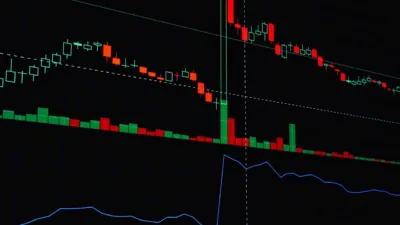
A whale investor unloaded approximately $37.6 million worth of AAVE tokens in a single transaction, exerting immediate downward pressure on the token's market price. This considerable sale incited a rapid market reaction, with Aave's price dropping to around $161.70 at the time of this report.
This near-10% decline is significant for the governance token of one of DeFi's most respected lending protocols. It showcases how concentrated holdings in cryptocurrency markets can result in sharp price movements when large positions are liquidated.
Market Impact and Implications
The phenomenon of large-scale token sales by whales is a persistent concern for cryptocurrency investors, as these sales can trigger cascading effects in relatively illiquid markets. When substantial holders opt to exit positions, the immediate surge in selling pressure often surpasses available buy-side liquidity, leading to steep price declines.
For Aave, which has cemented its status as a foundational protocol in the DeFi sector, such volatility highlights the broader challenges facing digital asset markets. Despite Aave's robust fundamentals and ongoing developments, the token price remains vulnerable to the trading behaviors of major holders.
This incident also raises crucial questions about market depth and liquidity for even well-established DeFi tokens. While a $37.6 million sale is significant, it constitutes a relatively modest portion of Aave's overall market capitalization, yet it was sufficient to trigger a near-10% price correction.
Conclusion
The December 22nd whale sell-off serves as a timely reminder of the unique market dynamics at play in cryptocurrency trading. Although Aave continues to be recognized as a leading lending protocol in the decentralized finance space, its token price remains susceptible to the whims of sizable transactions executed by concentrated holders. Investors and market observers will be keenly watching to see if the protocol's price can stabilize in the wake of this considerable selling pressure, and whether further whale movements may be on the horizon.
Why It Matters
For Traders
Traders need to be vigilant about the potential for sharp market fluctuations caused by whale activities, as these sell-offs can create quick trading opportunities but also significant risks.
For Investors
Long-term investors should recognize that while Aave boasts strong fundamentals, its token price can be highly volatile, necessitating a strategic approach to holding and managing positions.
For Builders
Developers and builders in the DeFi space should consider the implications of whale behavior on liquidity and market dynamics, perhaps advocating for enhanced transparency and improved trading mechanisms in the ecosystem.
This article is for information only and is not financial advice. Read the full disclaimer.