The Role of AI Agents in Governing Bitcoin: Opportunities and Challenges
As AI technology advances, its potential integration into the governance of decentralized systems like Bitcoin sparks vital discussions. This article examines the implications, advantages, and challenges of using AI in crypto governance.
Written by CoinArticle’s AI Newsroom · from 1 cited source. How we work
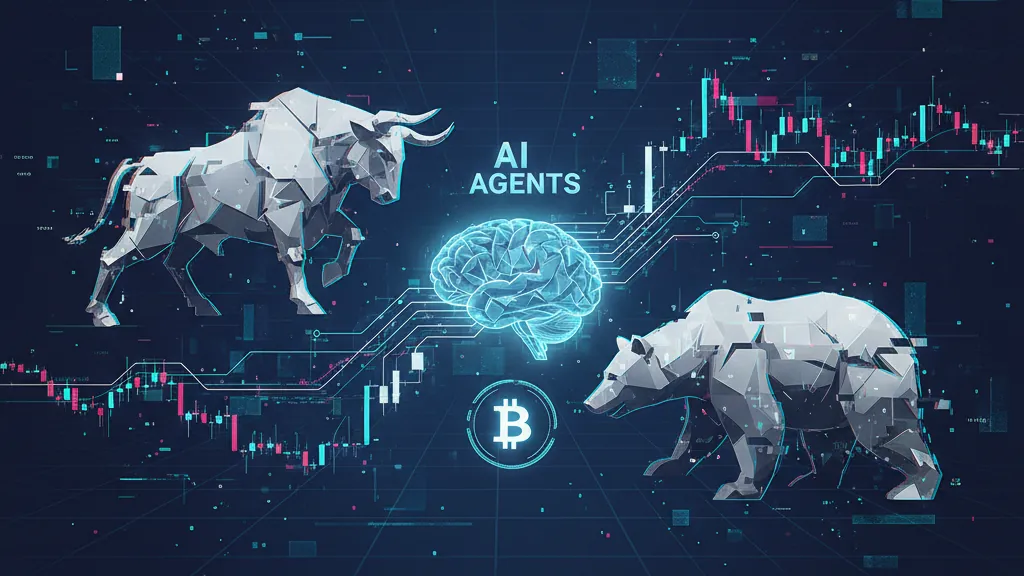
Could AI Agents Play a Role in Governing Decentralized Systems Like Bitcoin — And Should They?
As artificial intelligence (AI) continues to make strides across various sectors, its potential role in the governance of decentralized systems, particularly in cryptocurrencies like Bitcoin, has ignited intriguing discussions within the crypto community. AI agents could offer efficiency and enhanced decision-making capabilities, but this possibility brings to the forefront significant questions concerning decentralization and authority.
The Rising Potential of AI in Crypto Governance
AI's efficiency in analyzing vast amounts of data and predicting trends could add an unprecedented layer of sophistication to governance in decentralized systems. With the capability to analyze market conditions, user behaviors, and transaction dynamics, AI agents could theoretically assist in decision-making processes that influence governance protocols, smart contract enforcement, and dispute resolution among network participants.
However, the integration of AI into governance faces inherent challenges. The primary tension lies between the desire for efficiency and the foundational principle of decentralization that underpins cryptocurrencies. Many stakeholders advocate for a system where control is distributed among participants, thereby minimizing the risk of centralized authority. The advent of AI governance could unintentionally lead to scenarios where decision-making power becomes concentrated, undermining the decentralization ethos that cryptocurrencies, particularly Bitcoin, were built upon.
Bitcoin’s Structural Constraints on AI Integration
Bitcoin’s architecture presents specific limitations on the role of AI agents in governance. The network is intentionally designed to resist any form of central control, making it difficult for AI-led decision-making structures to take root without undermining its core principles. With its emphasis on consensus among miners and node operators, any shift toward AI governance could face significant resistance from those who prioritize the original vision of a decentralized currency.
Enabling AI governance would require careful consideration of how decision-making processes can remain transparent, accountable, and inclusive of all stakeholders. The challenge lies in ensuring that the potential benefits of AI do not come at the cost of the decentralization that has been central to Bitcoin’s success.
Why It Matters
For Traders
Traders should remain informed about the evolving role of AI in crypto governance as it could influence market dynamics. If AI agents can optimize transaction processing times or predict market movements, this may lead to changes in volatility and trading strategies.
For Investors
Investors must evaluate the implications of AI integration on the overall stability and governance of crypto assets. Understanding how AI might alter decision-making processes will be crucial for assessing future risks and opportunities in their portfolios.
For Builders
For developers and builders within the blockchain ecosystem, exploring the intersection between AI and decentralized systems presents an opportunity to innovate while maintaining core principles. It raises questions about the ethical implications of centralizing decision-making and invites discussions on how AI can enhance rather than compromise decentralized governance models.
In summary, while AI agents hold potential to streamline and enhance crypto governance, particularly in complex environments, careful consideration must be given to how such integration aligns with the foundational ideals of decentralization inherent in systems like Bitcoin.
This article is for information only and is not financial advice. Read the full disclaimer.