Over 40% of Altcoins Hit Rock Bottom: A Market Analysis
Over 40% of altcoins are trading near their all-time lows, raising alarm among investors. Experts warn this downturn could be more severe than previous crashes, driven by regulatory scrutiny and lack of innovation.
Written by CoinArticle’s AI Newsroom · from 1 cited source. How we work
Over 40% of Altcoins Hit Rock Bottom — Experts Warn It’s Worse Than Past Crashes
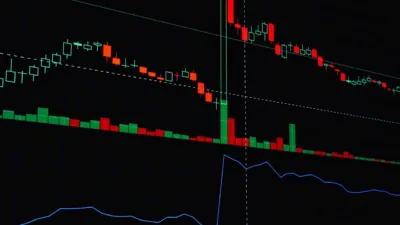
Cryptocurrency markets are undergoing a major downturn, with over 40% of all altcoins currently trading at or near their all-time lows. This dramatic decline in value has triggered comparisons to previous market crashes, leading many analysts to suggest that the current situation is more precarious than past downturns.
Current Market Conditions
As of this week, data from leading crypto tracking platforms indicates that a staggering number of altcoins have lost significant value compared to peak prices observed during the euphoria of the 2021 bull market. Approximately 7,000 altcoins are partaking in this adverse trend, leaving investors dumbfounded as they witness significant capital erosion.
Industry experts point to several factors fueling this bearish sentiment, including increased regulatory scrutiny, macroeconomic pressures, and a rise in negative sentiment from both retail and institutional investors. While Bitcoin and Ethereum have managed to maintain a relatively stable position compared to the broader altcoin market, a lack of momentum and innovation within many altcoin projects has exacerbated the current dismal scenario.
Why It Matters
For Traders
Traders are often on the front lines of such market fluctuations, navigating a volatile landscape for short-term gains. With 40% of altcoins under severe pressure, traders face heightened risks as liquidity dries up, making speculative trading increasingly challenging. Those who invested during peak periods are now reevaluating their strategies to capitalize on lower prices while managing risks more cautiously.
For Investors
For long-term investors, this downturn may present a dual-edged sword—both a crisis and an opportunity. Historically, market corrections have been followed by recoveries, but the current state of altcoins raises valid concerns regarding whether many have fundamentally strong use cases or were simply products of speculative hype. Conducting thorough due diligence will be essential for investors to identify which projects could rebound post-crash and which may face permanent obsolescence.
For Builders
For developers and builders in the crypto ecosystem, the ongoing downward trend serves as a stark reminder of the volatility characteristic of this space. With numerous altcoins nearing their lows, it may become crucial for developers to differentiate their projects and ensure that they offer genuine value propositions. Building sustainable projects capable of withstanding market fluctuations will be paramount for gaining investor confidence and market trust over the long haul.
Conclusion
As the cryptocurrency market navigates this downturn, the plight of the altcoin sector serves as a crucial indicator of the broader health of the digital asset landscape. Investors, traders, and builders alike must remain vigilant and adapt their strategies in this rapidly shifting environment.
This article is for information only and is not financial advice. Read the full disclaimer.