ARK Challenges a16z on Whether TradFi Needs Permissionless DeFi
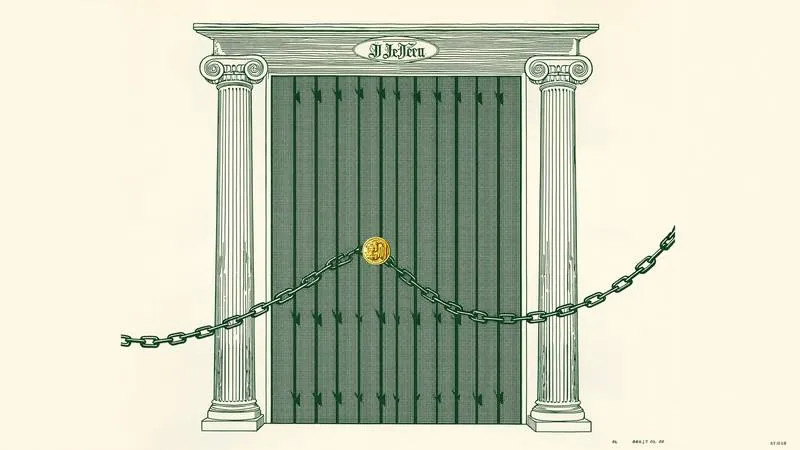
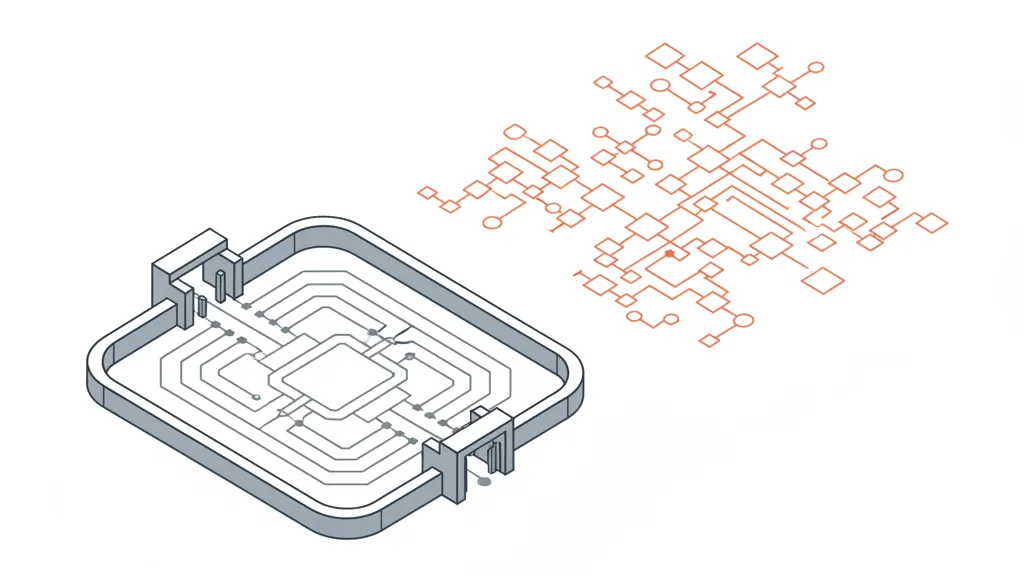
ARK Invest disputed Andreessen Horowitz's thesis that traditional finance will opt for controlled blockchains, contending instead that institutions will increasingly adopt permissionless DeFi infrastructure. The disagreement reflects competing views on how Wall Street will integrate blockchain technology.
Written by CoinArticle’s AI Newsroom · from 1 cited source. How we work
The Competing Theses
Andreessen Horowitz has argued that traditional financial institutions will favor controlled or permissioned blockchain networks that offer compliance-ready infrastructure and governance guarantees. ARK Invest countered that TradFi adoption will instead accelerate toward permissionless DeFi rails, where institutions gain access to open settlement and liquidity layers without intermediary gatekeeping.
ARK's Core Argument
ARK's position rests on the premise that institutional adoption of blockchain technology will follow the same trajectory as prior infrastructure shifts: a move from walled gardens toward open, interoperable standards. The firm argues that while TradFi may initially experiment with controlled environments, competitive pressure and liquidity benefits will drive migration to permissionless protocols. Lower barriers to entry, composability with other protocols, and resistance to unilateral rule changes are cited as advantages that permissionless systems hold over closed alternatives.
Market Implications
The debate has immediate strategic implications for protocol development and institutional infrastructure. Projects betting on permissioned governance and compliance-first design face a different competitive surface than those optimizing for open access and liquidity concentration. The outcome of this disagreement—reflected in deployment patterns, custody solutions, and regulatory clarity over the coming 18-24 months—will likely determine which architectural choices attract institutional capital and volume.
Why It Matters
For Traders
This debate affects which layer-one and DeFi protocols attract institutional flow; permissionless protocols may see higher volume if ARK's thesis gains institutional traction.
For Investors
The outcome determines whether open-access DeFi or permissioned chains capture long-term institutional value; thesis validation affects sector composition over multi-year periods.
For Builders
Protocol teams must decide whether to optimize for regulatory compliance and permissioning or for liquidity and composability; the market will eventually signal which design wins.
This article is for information only and is not financial advice. Read the full disclaimer.