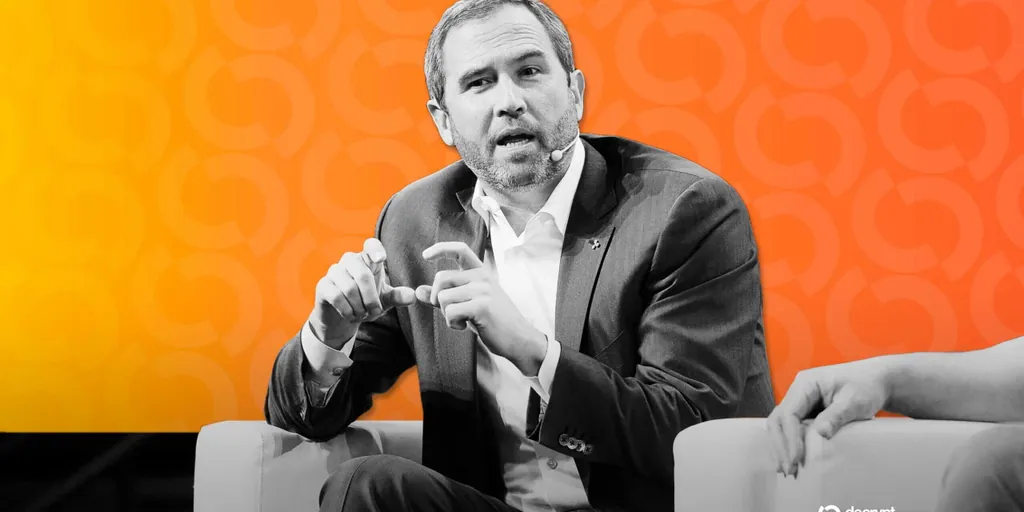
Arthur Hayes Urges Trump to Veto CLARITY Act, Calls Regulation Existential Threat
BitMEX CEO Arthur Hayes called on President Trump to block the CLARITY Act, arguing that if cryptocurrency requires regulation to survive, the technology is worthless. Hayes did not elaborate on specific provisions he opposes.
Written by CoinArticle’s AI Newsroom · from 1 cited source. How we work
Hayes' Stance on CLARITY
BitMEX CEO Arthur Hayes publicly urged President Trump to veto the proposed CLARITY Act, stating that if crypto needs regulation to survive, the asset class has no intrinsic value. Hayes did not detail specific objections to the bill's provisions in his initial comments.
The CLARITY Act's Scope
The CLARITY Act is a bipartisan cryptocurrency regulatory framework bill that seeks to establish clear federal oversight of digital assets and exchanges. Its provisions are designed to reduce regulatory ambiguity around which agencies oversee which aspects of the crypto market.
Why It Matters
For Traders
Regulatory uncertainty persists until Trump either signs or vetoes CLARITY; clarity either way could shift position sizing across regulated and unregulated trading venues.
For Investors
A presidential veto would likely freeze regulatory progress, leaving the fragmented oversight landscape intact and extending legal uncertainty for institutional adoption.
For Builders
Stalled or blocked federal rulemaking shifts the regulatory burden back to state-level and agency-by-agency enforcement, complicating compliance across jurisdictions.
This article is for information only and is not financial advice. Read the full disclaimer.