Aster Launches Ambitious 80% Token Buyback Initiative
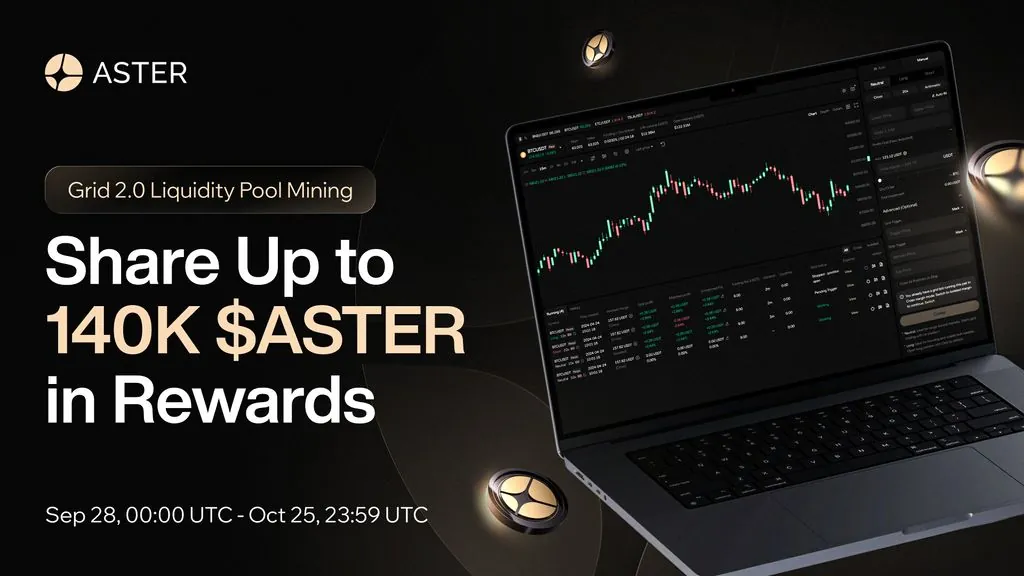
Aster is set to launch a groundbreaking buyback program, dedicating up to 80% of its daily fees to purchase ASTER tokens. This strategic move aims to bolster token value and demonstrate robust support for its ecosystem.
Written by CoinArticle’s AI Newsroom · from 1 cited source. How we work
Aster Announces Major Buyback Initiative
Aster has unveiled plans to implement a significant token buyback program, committing up to 80% of its daily fees toward purchasing ASTER tokens from the open market. The initiative, set to commence on December 23, represents one of the more aggressive buyback strategies in the current cryptocurrency landscape.
Program Details
The buyback mechanism will operate on both automatic and strategic principles, utilizing a substantial portion of the platform's daily revenue stream. By allocating up to 80% of fees generated through platform activities, Aster is positioning this program as a cornerstone of its tokenomics strategy.
The company has stated that the primary objective of the buyback program is to provide robust support for the ASTER token's market value. This approach channels operational revenue directly back into the token ecosystem, creating a direct link between platform performance and token demand.
Market Implications
Token buyback programs have become an increasingly common mechanism for cryptocurrency projects seeking to create deflationary pressure and demonstrate commitment to token holders. By removing tokens from circulation through market purchases, such programs can theoretically reduce supply while signaling confidence in the project's long-term viability.
The commitment of 80% of daily fees is significantly higher than industry averages, where buyback programs typically range from 10% to 50%. Aster's substantial allocation underscores its prioritization of sustaining token value as a key business strategy.
The automatic nature of the buybacks suggests a systematic approach rather than discretionary purchases, potentially providing more consistent market support. Strategic elements within the program may allow for optimization based on market conditions, although Aster has not disclosed specific details regarding these components.
Conclusion
Aster's buyback program launch on December 23 will kick off a concerted effort to bolster ASTER token value through direct market intervention. The commitment of up to 80% of daily fees marks a significant allocation of platform resources toward this goal. Just as with any tokenomics initiative, the program's actual impact will depend on various factors, including platform fee generation, market conditions, and overall adoption metrics. The cryptocurrency community eagerly awaits the program's implementation and effectiveness in the weeks and months to come.
Why It Matters
Traders
For traders, Aster's buyback program provides an opportunity for short-term strategic positioning, as increased demand from buybacks could lead to upward price momentum.
Investors
Long-term investors may view this initiative as a signal of Aster's commitment to enhancing token value, potentially bolstering confidence in the project's future prospects.
Builders
Developers and builders can appreciate a well-structured buyback program, as it may lead to a healthier token economy that incentivizes innovation and growth within the Aster ecosystem.
This article is for information only and is not financial advice. Read the full disclaimer.