Bank of England Official Predicts Tokenised Deposits Will Overtake Stablecoins
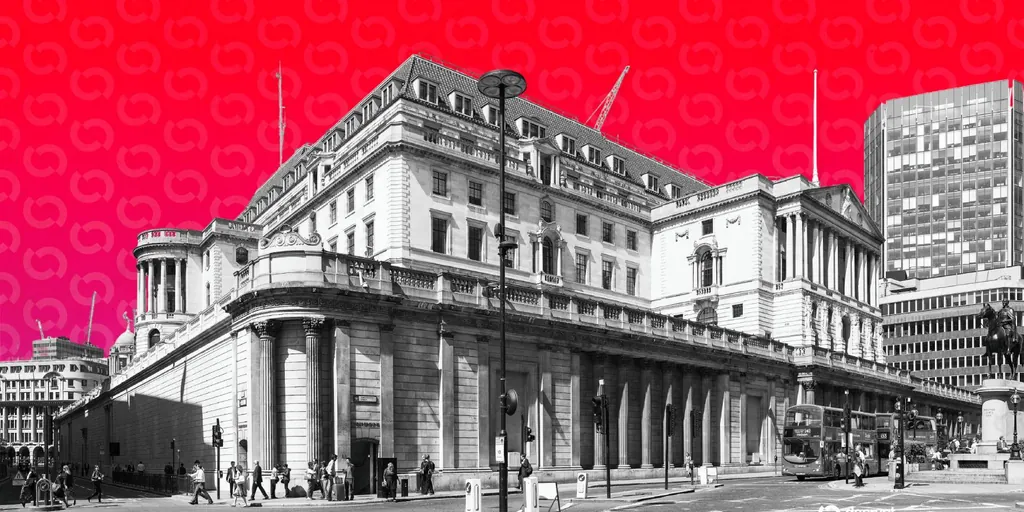
Megan Greene, a Bank of England policymaker, forecasts that tokenised deposits will surpass stablecoins within five years as the dominant form of digital money. She argues the two assets may ultimately serve different purposes, with tokenised deposits upgrading traditional banking and stablecoins expanding access to stable savings for unbanked populations.
Written by CoinArticle’s AI Newsroom · from 1 cited source. How we work
BoE Official's Five-Year Forecast
Megan Greene, a policymaker at the Bank of England, predicted Tuesday that tokenised deposits will overtake stablecoins as the primary form of digital money within five years. Her forecast reflects growing central bank and traditional finance interest in issuing deposit tokens on public blockchains as an alternative to existing stablecoin designs. Greene did not cite specific timelines or adoption thresholds underpinning the prediction.
Divergent Roles in Digital Money
Greene acknowledged that stablecoins and tokenised deposits may ultimately serve distinct functions rather than compete for the same users. Tokenised deposits, in her framing, upgrade the existing banking infrastructure by bringing deposits onto blockchain rails while maintaining traditional financial intermediation. Stablecoins, by contrast, have expanded access to stable-value savings and self-custody for populations outside the reach of reliable traditional banking, she said. That expanded access has created a pathway to broader adoption of Bitcoin and other digital assets.
Unresolved Questions
The forecast leaves open whether both forms will coexist at scale or whether regulatory and market forces will favor one model over the other. The distinction between the two hinges on custody and issuer: tokenised deposits remain held by regulated banks, while many stablecoins are held in custodian contracts on-chain. The debate mirrors broader tensions between digital asset innovation and traditional finance integration.
Why It Matters
For Traders
Tokenised deposit issuance by major banks could reduce stablecoin demand and alter liquidity patterns on DEXs over 12-24 months as institutional flow shifts.
For Investors
Central bank backing of tokenised deposits signals regulatory acceptance of on-chain settlement; stablecoin issuers may face margin compression if commercial banking deposits move to blockchain.
For Builders
DeFi protocols relying on stablecoin liquidity should monitor adoption of tokenised deposits; new composability opportunities may emerge if commercial deposits become programmable.
This article is for information only and is not financial advice. Read the full disclaimer.