Bank of Japan Raises Rates to 1%, Highest Since 1995, Pressuring Carry Trades
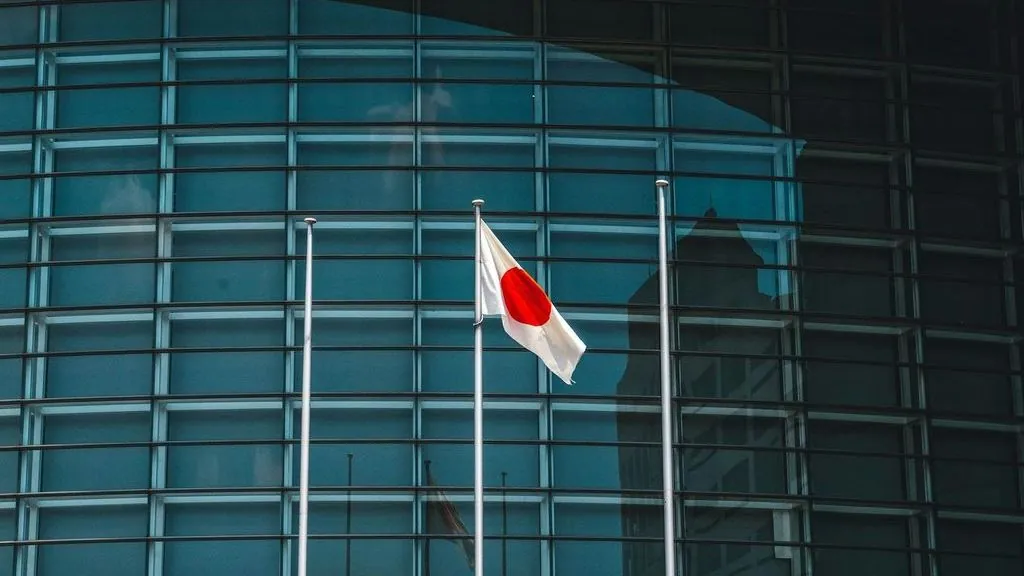
The Bank of Japan raised its short-term interest rate to 1% on Tuesday, marking the highest level since 1995 and signaling a shift away from three decades of ultra-loose monetary policy. The move increases funding costs for yen carry trades, a strategy widely used to finance crypto positions and leverage bets globally.
Written by CoinArticle’s AI Newsroom · from 1 cited source. How we work
BOJ Policy Shift
The Bank of Japan raised its short-term interest rate target to 1%, the highest level since 1995, according to the central bank's Tuesday announcement. The rate hike represents a continuation of the BOJ's gradual normalization path begun in 2024 and marks a formal end to the ultra-loose policies that have defined Japanese monetary policy for the past three decades.
Carry Trade Implications
The rate increase raises funding costs for yen carry trades, a financing strategy in which traders borrow cheap yen to fund positions in higher-yielding assets globally, including cryptocurrencies. Tightening yen funding costs can force deleveraging in carry-funded positions, potentially triggering sharp liquidations across correlated markets during periods of volatility. Crypto-linked carry trades, which use yen borrowing to amplify long positions in Bitcoin and Ethereum, face compressed margins as the cost of yen financing rises.
Broader Market Context
The BOJ's tightening cycle has already roiled markets earlier in the year when rate signals triggered sharp unwinding in carry positions and broader equity sell-offs. A further sequence of rate hikes or faster-than-expected tightening could accelerate deleveraging in crypto markets where carry financing remains a material source of position funding. Traders exposed to long cryptocurrency positions through yen leverage now face higher roll-over costs and may adjust position sizes in response.
Why It Matters
For Traders
Yen carry trades used to fund crypto longs face higher financing costs; positions may be liquidated or reduced if carry premiums compress further over the next 48-72 hours.
For Investors
Sustained BOJ tightening increases the probability of sharp crypto drawdowns via deleveraging, particularly if other central banks hold rates steady and widen the funding arbitrage.
For Builders
Protocols relying on leverage or yield-farming strategies funded by yen carry should model stress scenarios for rapid deleveraging and prepare for elevated liquidation pressure on collateral.
This article is for information only and is not financial advice. Read the full disclaimer.