Binance Launches US Stock Trading for Non-US Users Via Tokenized Equities
Binance has launched US stock trading access for non-US users through tokenized equities and perpetual contracts. The move expands the exchange's product offering but heightens regulatory risk amid ongoing scrutiny from US authorities.
Written by CoinArticle’s AI Newsroom · from 1 cited source. How we work
New Product Launch
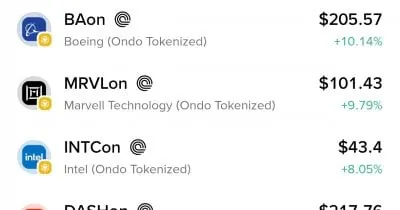
Binance has enabled non-US users to trade US stocks through two mechanisms: tokenized equity instruments and perpetual futures contracts tied to individual stocks. The offering grants users outside the United States direct exposure to companies listed on US exchanges without requiring a domestic brokerage account or compliance infrastructure.
Regulatory and Market Implications
The launch occurs as Binance faces ongoing regulatory scrutiny from US authorities, including the SEC and CFTC. Offering US equity products to international users raises questions about whether Binance is operating in violation of US securities laws, which restrict who can offer equities and under what conditions. The structure—using tokenized representations and derivatives rather than direct share ownership—creates a regulatory gray zone that has not been definitively tested in court.
The move reshapes competitive dynamics in global trading, particularly for users in jurisdictions where domestic stock market access is limited or expensive. It also introduces new risk vectors: tokenized equity issuers must maintain underlying holdings, and perpetual contracts carry liquidation risk.
Why It Matters
For Traders
Non-US traders now have direct access to US equity trading on Binance with no account setup barriers, but liquidation and custody risks differ from traditional brokerages.
For Investors
Binance's push into equities signals aggressive product expansion but escalates regulatory confrontation with US agencies already scrutinizing the exchange.
For Builders
Tokenized equity infrastructure and perpetual contract architecture become more relevant to protocol and infrastructure teams if major exchanges validate these products as compliant.
This article is for information only and is not financial advice. Read the full disclaimer.