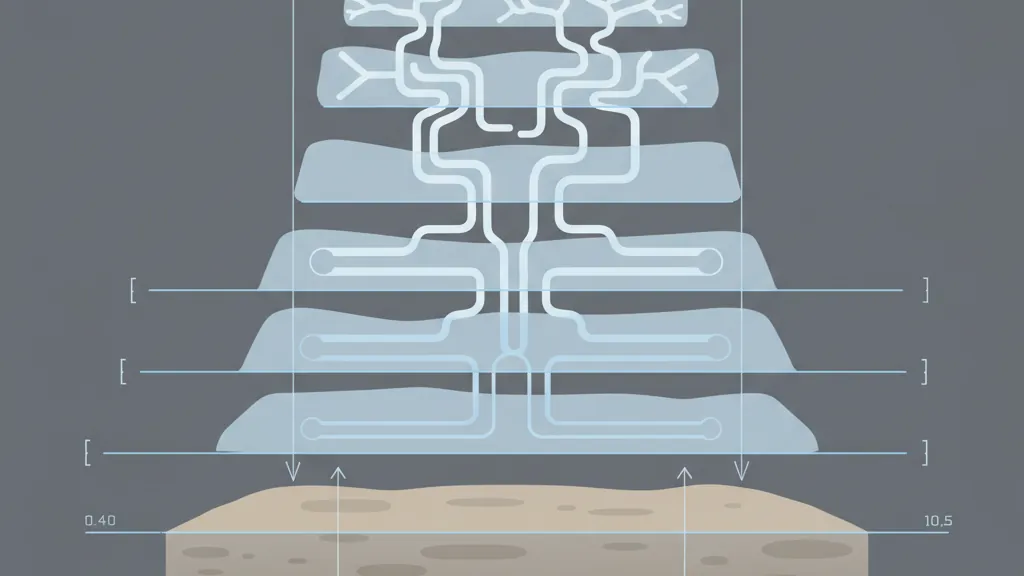
Bitcoin's April Recovery Shows Signs of Structural Accumulation
Bitcoin recovered methodically in April 2026 after sharp declines in February and March left the asset below $70,000. On-chain metrics and order book patterns suggest institutional buying rather than speculative rally, according to market participants.
Written by CoinArticle’s AI Newsroom · from 1 cited source. How we work
February and March Drawdown
Bitcoin fell sharply in February and March 2026, with leverage flushes and sentiment capitulation driving prices below $70,000. The period was marked by forced liquidations and broad-based selling pressure that extended across major trading venues and over-the-counter desks.
April's Methodical Recovery
Bitcoin's April recovery differed in character from the prior months' volatility. Rather than a sharp bounce on low volume, the rebound showed signs of accumulation — large positions entered at lower price levels, order book depth improved at key support zones, and daily volume remained elevated relative to the prior two months' panic selling.
What Structural Accumulation Signals
Structural accumulation typically indicates longer-term buyers entering on weakness, as opposed to short-covering bounces or retail FOMO rallies. If confirmed by sustained volume and stable order book positioning, such a pattern can lay groundwork for a base before larger directional moves.
Why It Matters
For Traders
Recovery character matters for position timing; accumulation patterns suggest lower odds of immediate sharp breakdown, though key support levels remain relevant watch points.
For Investors
Structural accumulation after capitulation can signal bottom formation, a potential inflection point for multi-month directional bias.
For Builders
Stable price action and order book healing reduce near-term volatility risk for protocols planning major upgrades or infrastructure deployments.
This article is for information only and is not financial advice. Read the full disclaimer.