Bitcoin Developers Propose BIP-361 for Quantum-Resistant Migration
Bitcoin developers have proposed BIP-361 to migrate the network towards quantum-resistant signatures, a crucial step in securing its future. This migration could freeze legacy coins that fail to adapt, highlighting the urgency of the transition.
Written by CoinArticle’s AI Newsroom · from 1 cited source. How we work
Bitcoin Developers Propose Bitcoin Quantum Migration Plan That Would Freeze Legacy Coins
In a significant development for the future of cryptocurrency, Bitcoin developers have proposed a groundbreaking initiative aimed at enhancing the security of the Bitcoin network against the potential threats posed by quantum computing. The proposal, named Bitcoin Improvement Proposal (BIP) 361, seeks to migrate Bitcoin from its current legacy cryptographic signatures to more robust, quantum-resistant alternatives.
Details of BIP-361
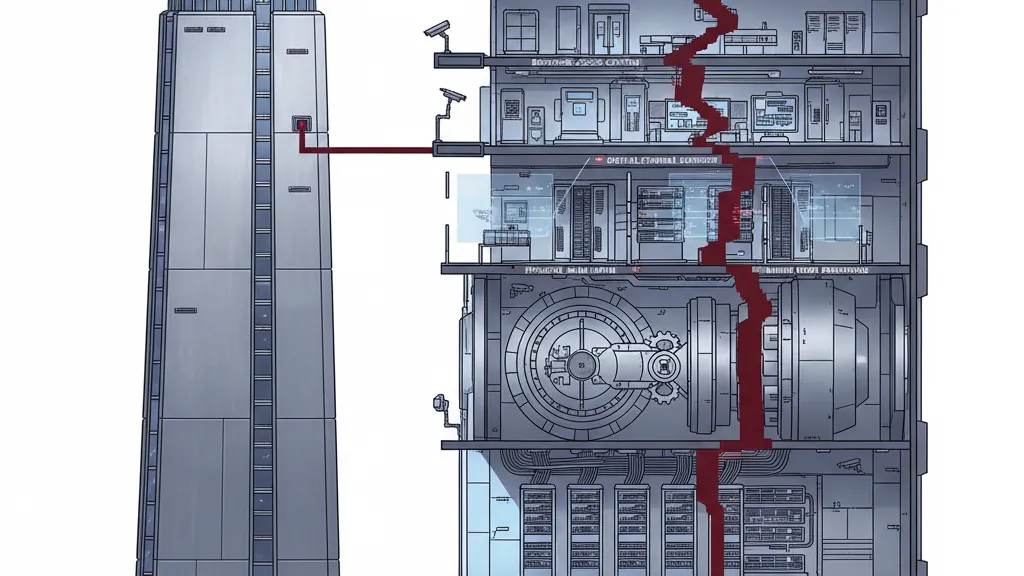
The BIP-361 plan envisions a phased migration where Bitcoin users will be given a specific deadline by which they must update their wallets to support the new quantum-resistant signatures. This shift is crucial, as many experts believe that advancements in quantum computing could eventually undermine the cryptographic foundations upon which Bitcoin currently stands. The phased deadline aims to provide users with ample time to adapt to the new system. However, it comes with a significant caveat: unmigrated coins could eventually become permanently unspendable, effectively 'freezing' these legacy coins.
The proposal emphasizes an increasing urgency within the cryptocurrency community to address the looming risks posed by quantum computing—a technology capable of solving complex mathematical problems much faster than conventional computers.
Why It Matters
For Traders
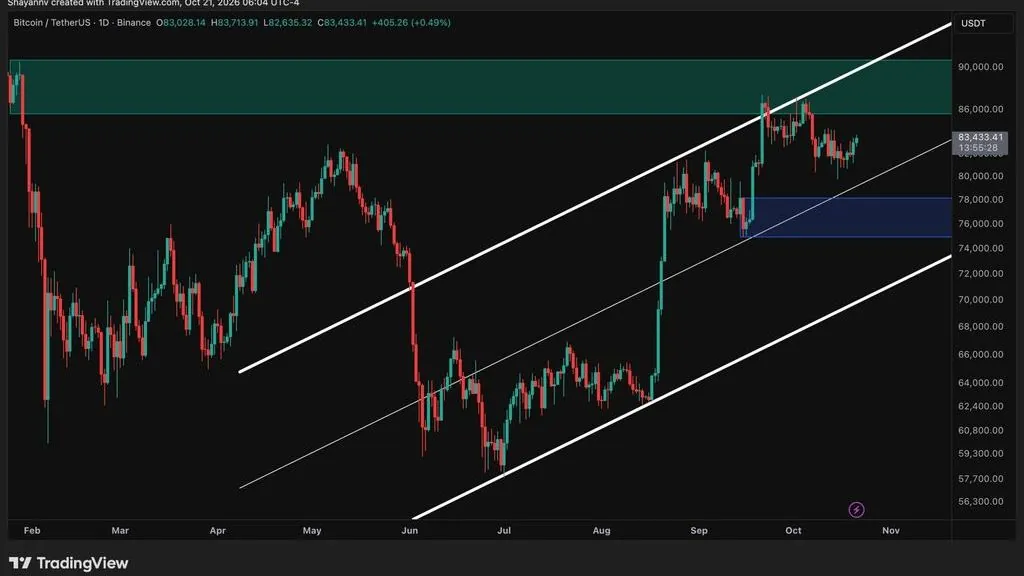
For traders, the implementation of a quantum migration plan may introduce volatility to the Bitcoin market, especially as the deadline approaches. Staying informed about the timeline and the implications of potentially unspendable coins will be crucial for navigating trades in this evolving landscape.
For Investors
Investors should closely monitor developments surrounding BIP-361, as Bitcoin's long-term viability depends on adapting to technological advancements like quantum computing. A successful migration could reinforce Bitcoin’s position as a secure store of value while attracting new investors concerned about their holdings' security. Conversely, the risks associated with legacy coins becoming unspendable may lead to disillusionment among existing investors who have yet to migrate.
For Builders
Developers and builders within the Bitcoin ecosystem will face new challenges and opportunities with the introduction of BIP-361. Implementing quantum-resistant technologies will require innovative approaches to wallet design and transaction protocols. Builders must collaborate effectively to ensure that the transition is seamless for users and does not disrupt the overall Bitcoin network.
In conclusion, while BIP-361 represents critical steps toward safeguarding Bitcoin against future threats, it also introduces a host of complexities and uncertainties. As the deadline approaches, all stakeholders—traders, investors, and builders—will need to adapt to this evolving environment to ensure the continued success and security of Bitcoin.
This article is for information only and is not financial advice. Read the full disclaimer.