Bitcoin Developers Warn BIP 110 Poses Fork Risk as Miner Support Stalls
Adam Back and Michael Saylor have publicly opposed BIP 110, citing insufficient miner backing and risk of a network split. Miner support for the proposal remains near zero, raising questions about its viability.
Written by CoinArticle’s AI Newsroom · from 1 cited source. How we work
Opposition Crystallizes Around BIP 110
Adam Back, CEO of Blockstream, and Michael Saylor, executive chairman of MicroStrategy, have stated their opposition to BIP 110, according to statements made this week. Both cited concerns that the proposal lacks the broad consensus required to activate safely on Bitcoin's mainnet. Back and Saylor join a growing list of protocol developers and miners expressing skepticism toward the measure.
Miner Backing Remains Minimal
Mining pools and individual miners have shown little appetite for BIP 110, with support hovering near zero according to publicly available signaling data. Successful Bitcoin soft forks typically require 90% or greater miner agreement before activation. Without this threshold, the proposal faces a credibility gap that could undermine its adoption even if it were to be released.
Fork Risk and Path Forward
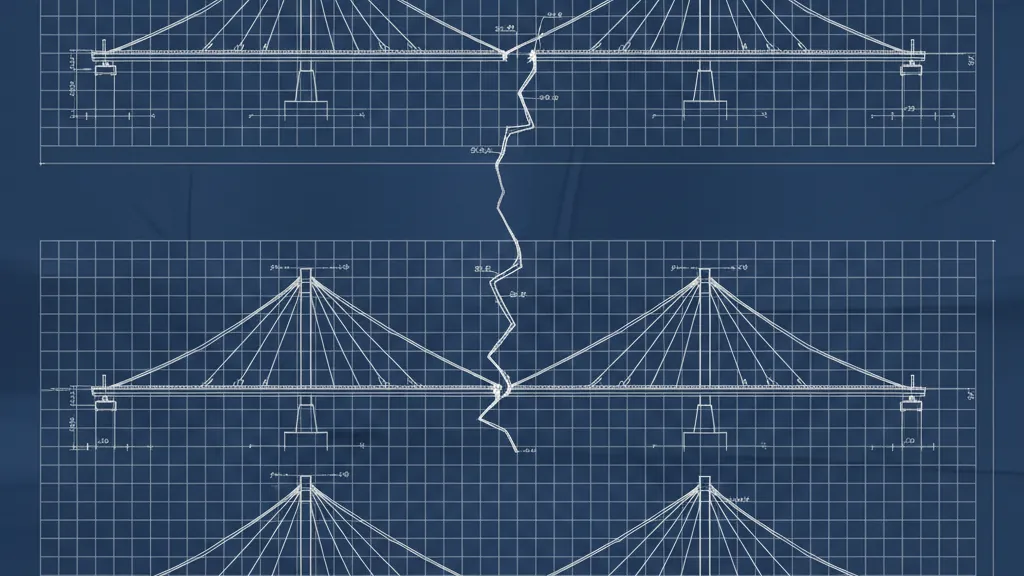
The lack of consensus has prompted warnings from Back, Saylor, and others that BIP 110 could fracture the network if activated without broader agreement. Such a split would create two separate Bitcoin ledgers — one following the new rules and one adhering to the existing protocol. The proposal remains under discussion in developer forums, but the current trajectory suggests activation this year is unlikely absent a material shift in miner sentiment or developer consensus.
Why It Matters
For Traders
BIP 110 activation risk has likely priced out; near-zero miner support suggests the fork scenario is receding, reducing Bitcoin's near-term consensus uncertainty.
For Investors
Failed or delayed consensus mechanisms signal friction in Bitcoin's governance layer, though rejection of controversial proposals demonstrates the network's defense against contentious changes.
For Builders
Layer 2 and application teams should monitor BIP 110's status, but current signals suggest no protocol-layer disruption is imminent this cycle.
This article is for information only and is not financial advice. Read the full disclaimer.