Bitcoin Drops Below $73K Amid Iran Drone Incident Near Strait of Hormuz
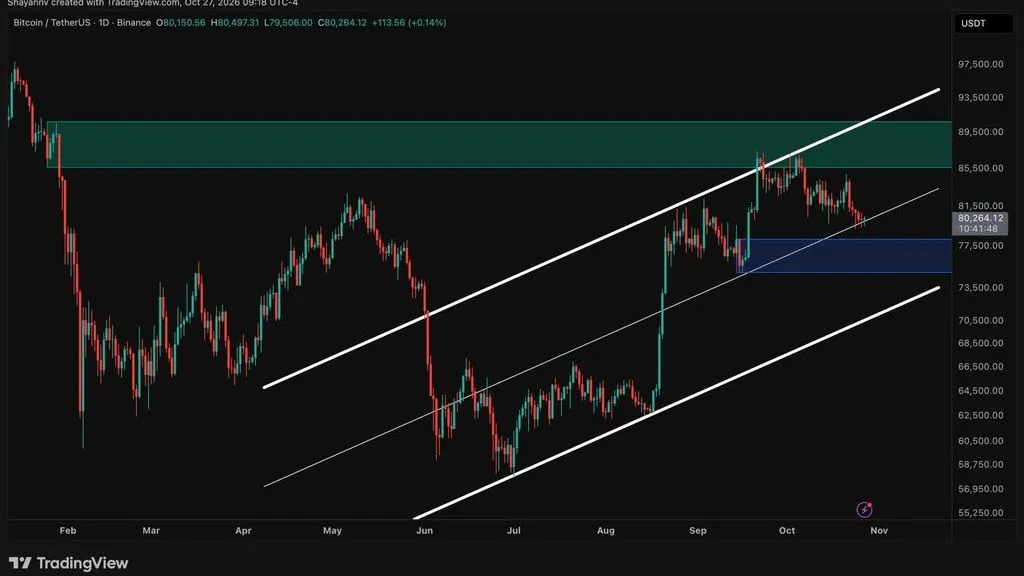
Bitcoin fell below $73,000 following reports that U.S. forces shot down Iranian attack drones near the Strait of Hormuz. The decline reflects broader market sensitivity to geopolitical risk and potential disruption of oil supply routes.
Written by CoinArticle’s AI Newsroom · from 1 cited source. How we work
Market Move
Bitcoin traded below $73,000 on Tuesday following military action at the Strait of Hormuz, where U.S. forces intercepted Iranian attack drones. The exact timing and magnitude of the intraday move were not specified in available reporting, but the asset retreated from recent higher levels as risk sentiment shifted.
Geopolitical Risk Premium
Tensions near the Strait of Hormuz—a chokepoint through which roughly 20% of global seaborne oil passes—historically trigger commodity and currency volatility. Disruption or escalation in the region can raise oil prices, which in turn affects inflation expectations, bond yields, and equity valuations. Bitcoin's sensitivity to broader financial stress means incidents with potential macroeconomic spillover often produce sharp intraday moves as traders reassess their risk exposure.
Broader Context
The relationship between geopolitical events and crypto markets remains imperfectly understood. Bitcoin has sometimes rallied during acute security crises as a perceived hedge against institutional instability, while other times it has sold off alongside risk assets in flight-to-safety moves. The move below $73,000 suggests traders favored de-risking in this instance, though the causality between the specific military action and the price movement cannot be confirmed from available data.
Why It Matters
For Traders
Short-term volatility near $73,000 may persist if Middle East tensions escalate further; monitor oil futures and USD strength for secondary signals.
For Investors
Geopolitical shocks that affect oil supply can transmit to crypto via inflation expectations and macro asset correlations; diversification across uncorrelated assets remains relevant.
For Builders
Protocol teams should stress-test infrastructure for flash-crash scenarios triggered by macro events; liquidity on stablecoin pairs often thins during risk-off moves.
This article is for information only and is not financial advice. Read the full disclaimer.