Bitcoin's Hard-Money Thesis Tests Higher Treasury Yields
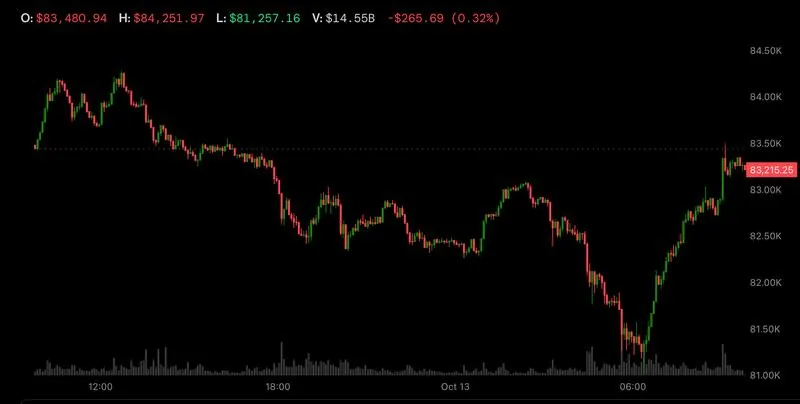
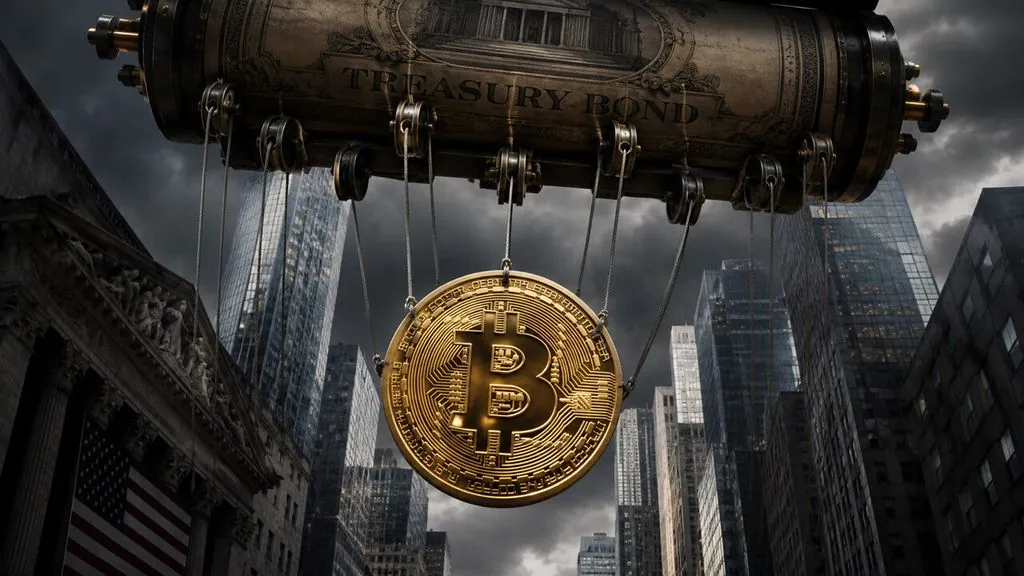
Bitcoin's core value proposition—serving as a hedge against currency debasement from government debt—faces pressure as U.S. Treasury yields climb above 5%. The tension highlights a gap in Bitcoin's original thesis: hard money may lose appeal if risk-free rates rise high enough to compete for investor capital.
Written by CoinArticle’s AI Newsroom · from 1 cited source. How we work
The Original Hard-Money Thesis
Bitcoin emerged from the 2008 financial crisis as a response to perceived monetary disorder: governments borrowing heavily, central banks expanding money supplies, and currencies losing purchasing power. The implicit promise was that when debt-financed stimulus drove inflation and currency debasement, investors would turn to scarce, decentralized assets as a store of value. For more than a decade, this narrative anchored Bitcoin's appeal to macro investors and sound-money advocates alike.
Where Higher Rates Complicate the Story
Treasury yields above 5% introduce a competing dynamic that the original thesis did not fully account for. At that yield level, U.S. government debt itself becomes a genuine risk-free store of value—one that carries no volatility and pays a real rate of return. An investor choosing between Bitcoin's fixed supply and a 5% Treasury yield faces a trade-off that did not exist when yields were near zero. Bitcoin's volatility and lack of cash flow suddenly look less attractive relative to government bonds, even if inflation concerns persist.
This is not a claim that Bitcoin's fundamental scarcity has weakened or that its developer community has become less committed. Rather, it highlights a blind spot in the original hard-money narrative: the possibility that financial tightening—higher real rates—could reduce demand for non-yielding stores of value before currency debasement becomes the dominant driver of asset allocation.
Why It Matters
For Traders
If Treasury yields remain elevated, the traditional macro hedge narrative supporting Bitcoin demand faces headwinds that could weigh on price momentum in near-term rallies.
For Investors
Rising real rates challenge a core pillar of Bitcoin's adoption story; multi-year returns now depend on currency debasement outweighing the opportunity cost of zero-yield holdings.
For Builders
Protocol teams marketing yield-bearing alternatives—or designing Bitcoin-native solutions that compete on capital efficiency rather than store-of-value purity—may see expanded demand.
This article is for information only and is not financial advice. Read the full disclaimer.