Heightened Market Distress as Bitcoin Faces Potential Bear Territory
As Bitcoin's price teeters on the edge of potential decline, analysts are scrutinizing on-chain data revealing that around 7 million BTC are currently under water. This growing supply of unrealized losses raises concerns about market sentiment and signals distress within the ecosystem.
Written by CoinArticle’s AI Newsroom · from 1 cited source. How we work
Growing Concerns Over Bitcoin Market Health
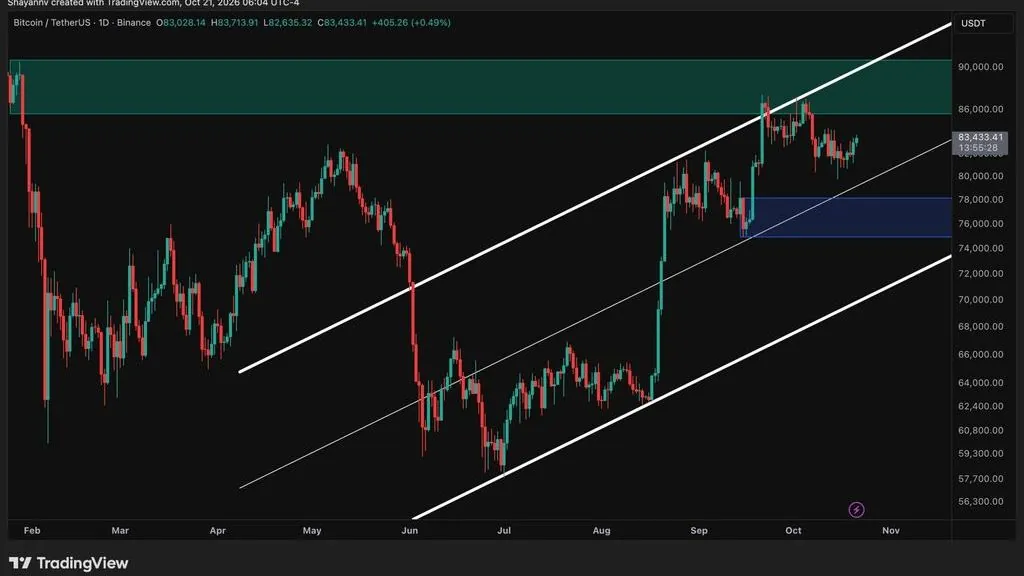
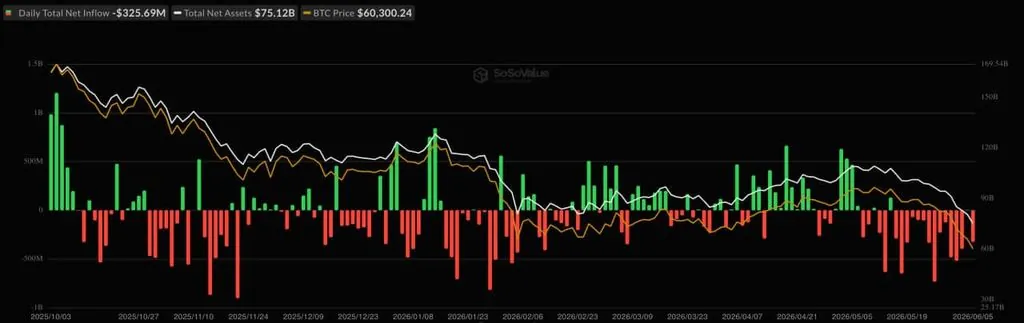
Bitcoin's recent price movements have sparked significant debate over the health of its market structure. Analysts are now closely examining the implications of a potential decline to $70,000, a level that may indicate a shift into bear market territory. Current on-chain data reveals increasing financial pressure on holders, with a substantial portion of the circulating supply falling underwater.
Underwater Supply Reaches Critical Levels
At current price levels, an estimated 7 million BTC are held at a loss—representing approximately 30% of Bitcoin's circulating supply. This crucial metric serves as a key indicator of market sentiment, reflecting the number of coins purchased at higher price points than their current market value. When large volumes of supply enter unrealized loss territory, it often signals heightened stress among market participants, who may feel compelled to capitulate and sell.
Market Distress Indicators
The significant underwater supply indicates rising distress within the Bitcoin ecosystem. Historically, when millions of BTC trade below their acquisition cost, it has coincided with increased market volatility and uncertainty. Such scenarios put the conviction of long-term holders to the test, while triggering potential selling pressure from short-term traders looking to minimize their losses.
The psychological impact of widespread unrealized losses cannot be understated, creating an environment dominated by fear and uncertainty. This becomes particularly relevant in assessing whether current market conditions represent a mere temporary correction or the onset of a more prolonged downturn.
Implications for Market Trajectory
Determining whether a drop to $70,000 would confirm bear market conditions is a focal point of current market analysis. While the cryptocurrency sector lacks a universally accepted definition of bear market thresholds, periods of sustained price declines coupled with deteriorating on-chain metrics typically define such market phases.
The combination of significant underwater supply and the potential for downward price pressure creates a scenario in which market participants must carefully evaluate their risk-reward dynamics. The $70,000 level acts as a critical psychological and technical threshold that could significantly impact both short-term trading decisions and the long-term market structure.
Conclusion
Bitcoin stands at a crucial juncture, with approximately 7 million BTC currently held at a loss, reflecting elevated market distress. While the question of whether a decline to $70,000 would definitively confirm bear market conditions remains unresolved, existing supply dynamics indicate heightened vulnerability within the market structure. Investors and analysts will remain vigilant as they monitor these metrics to assess Bitcoin's near-term trajectory.
Why It Matters
For Traders
Traders must be alert to the growing underwater supply of Bitcoin, as it may lead to increased volatility and trading opportunities—both for quick gains and strategic exits.
For Investors
Long-term investors should assess how the current supply dynamics and market sentiment may affect their portfolios. Understanding these trends will help them make informed decisions during periods of potential downturns.
For Builders
Developers and builders in the crypto space should take note of the distress signals within the market, as they may impact user behavior, investment in projects, and overall innovation within the ecosystem.
This article is for information only and is not financial advice. Read the full disclaimer.