Bitcoin Lags Behind Money Supply Growth Amid Rising Energy Costs
Bitcoin is struggling to keep up with the growing money supply, raising concerns about its effectiveness as an inflation hedge. As energy prices and interest rates increase, both traders and investors must reassess their strategies.
Written by CoinArticle’s AI Newsroom · from 1 cited source. How we work
Bitcoin Trails Money Supply Growth as Energy Costs and Rates Bite
The cryptocurrency market is witnessing a significant shift as Bitcoin, often regarded as a safeguard against inflation, is currently trailing the growth of the money supply. This development raises questions among traders and investors about the digital asset's ability to retain its status as a hedge against inflation amidst rising energy costs and increasing interest rates.
Current Market Landscape
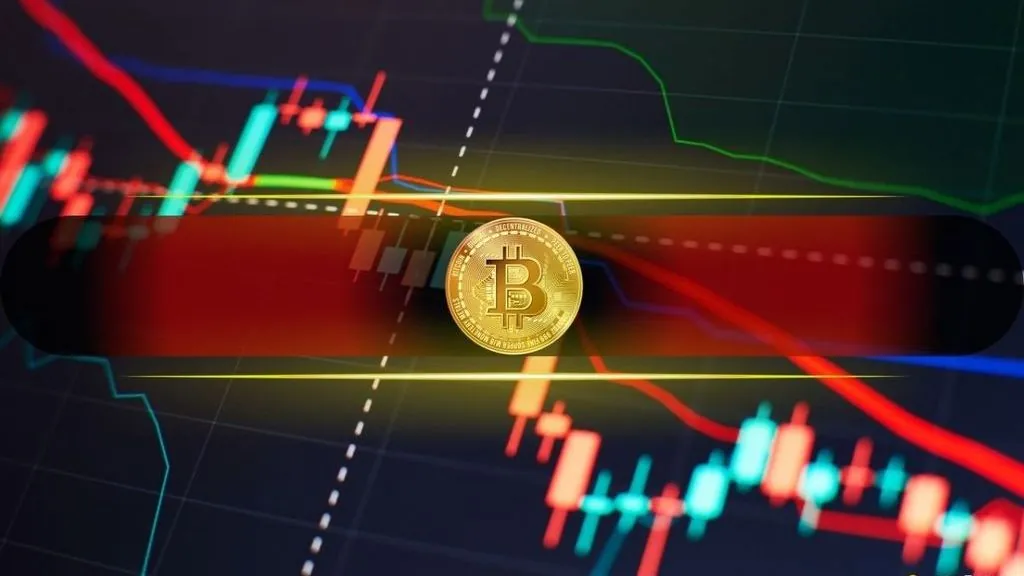
Recent analyses indicate that as the global money supply continues to expand, Bitcoin's value has not kept pace, leading to a growing divergence between the two metrics. While central banks have engaged in expansive monetary policies to address economic challenges, Bitcoin has struggled to demonstrate similar resilience. This divergence could signal a change in investor sentiment, highlighting the need for a reassessment of Bitcoin's role in a diversified investment portfolio.
Energy Costs Impact
Energy prices are a significant factor impacting the performance of Bitcoin. The process of mining Bitcoin requires substantial energy consumption, which has been exacerbated by rising global energy prices. As miners face increased operational costs, profitability may diminish, potentially leading to reduced mining activity. Fewer miners could weaken the overall network security and put downward pressure on Bitcoin's price. This situation reflects a critical concern for the sustainability of Bitcoin as a long-term store of value.
Interest Rates and Economic Conditions
Simultaneously, many countries are experiencing tightening monetary policies in response to inflationary pressures. Central banks are raising interest rates to combat inflation, which can negatively affect risk assets, including cryptocurrencies. Higher borrowing costs tend to deter speculative investments, and Bitcoin has often been seen as a speculative asset. As interest rates rise, traditional investors may divert their attention toward fixed-income securities that offer better yields, further complicating Bitcoin's market performance.
Why It Matters
For Traders
Traders need to be vigilant about the changing dynamics in the cryptocurrency market, particularly with the impact of energy costs and interest rates. Fluctuations in Bitcoin's price relative to the money supply may prompt traders to adjust their strategies, focusing on volatility rather than long-term holds. Understanding these market correlations can provide critical insights for short-term trading decisions.
For Investors
For long-term investors, the current scenario offers a moment of introspection regarding Bitcoin's role in their portfolios. As Bitcoin struggles to maintain its value in an expanding money supply environment, investors may need to reconsider their reliance on Bitcoin as an inflation hedge. Diversification into other assets or even traditional markets may become essential to mitigate risks.
For Builders
For blockchain developers and businesses, the challenges posed by rising energy costs and economic conditions may prompt a shift towards more efficient technologies and alternative consensus mechanisms. Building solutions that address energy efficiency could not only enhance Bitcoin's sustainability but could also unlock new opportunities for innovation in the blockchain space. Understanding market trends will be paramount for builders looking to align with future consumer demands and preferences.
This article is for information only and is not financial advice. Read the full disclaimer.