Bitcoin Faces Quantum Computing Concerns, Dividing Developers and Investors
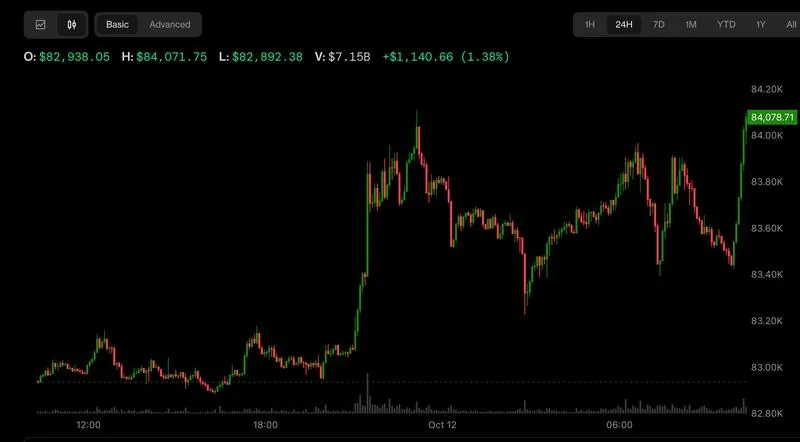
Bitcoin's price is under pressure as concerns over quantum computing's potential impact on cryptocurrency security divide developers and investors. While developers view quantum threats as distant, investors are reassessing risks, influencing market sentiment and investment flows.
Written by CoinArticle’s AI Newsroom · from 2 cited sources. How we work
Bitcoin Faces Quantum Computing Concerns, Dividing Developers and Investors
Bitcoin is facing headwinds from an unexpected source: growing anxiety over quantum computing's potential to undermine cryptocurrency security. While concerns about quantum threats are weighing on Bitcoin's price and slowing investment flows, a sharp divide has emerged between developers who view the risk as distant and investors who see it as a more immediate threat to their holdings.
What We Know
Multiple sources confirm that quantum computing concerns are currently impacting Bitcoin markets. The anxiety is manifesting in measurable ways, with investment flows into Bitcoin slowing as some market participants reassess their risk exposure.
A clear split has emerged within the Bitcoin ecosystem regarding how seriously to take quantum threats. Developers and technical experts largely dismiss quantum computing as a near-term risk, while many investors appear less convinced by these reassurances. This divide between technical confidence and market caution is creating uncertainty in the cryptocurrency space.
Key Details
Bitcoin developer Adam Back has sought to calm fears, characterizing current quantum computing technology as being in very early stages with significant research and development obstacles still to overcome. Back reportedly expects no meaningful quantum threat to Bitcoin's security within the next decade.
Back's position goes further than simply arguing about timelines. He contends that even if quantum computers eventually compromise Bitcoin's cryptographic protections, the network's layered security architecture wouldn't automatically allow for mass theft of funds.
Taking a more cautionary stance, Bitcoin engineer Jameson Lopp has highlighted worst-case scenarios. Lopp warns that if quantum advances succeed in breaking the ECDSA (Elliptic Curve Digital Signature Algorithm) signature scheme used by Bitcoin, attackers could potentially forge signatures to move funds. This scenario, while characterized as a "technical possibility," could theoretically erode user confidence in the network's security.
What's Still Uncertain
The specific technical claims made by both Back and Lopp require additional confirmation from multiple sources. Back's characterization of quantum technology's current limitations, his decade-long timeline for quantum threats, and his arguments about Bitcoin's layered security architecture all come from single-source reporting.
Similarly, the details of Lopp's warnings about ECDSA vulnerabilities, the mechanics of how forged signatures might work, and the potential cascade effects on user confidence need corroboration. The framing of these concerns as "technical possibilities" versus imminent threats also requires clarification.
Why This Matters
The quantum computing debate represents more than academic speculation—it's actively influencing Bitcoin markets today. Even if developers prove correct that quantum threats remain distant, market perception matters. Investment decisions are being made now based on quantum risk assessments, regardless of whether those assessments align with technical reality.
The divide between expert opinion and market sentiment highlights a broader challenge for cryptocurrency adoption: complex technical risks can be difficult to communicate effectively to investors. If technically sophisticated developers struggle to convince markets that quantum threats are manageable or distant, it suggests an ongoing education gap that could continue to impact prices.
For Bitcoin's long-term viability, how the community addresses quantum computing—both the actual technical challenge and the perception problem—could prove crucial. Whether through proactive protocol upgrades, better risk communication, or both, reconciling the developer-investor divide on quantum threats may become an essential task for the cryptocurrency industry.
Key entities: Bitcoin, Adam Back, Blockstream, Jameson Lopp, ECDSA
Sentiment: Neutral
This article is for information only and is not financial advice. Read the full disclaimer.