On-chain Bitcoin transfers undermine 'lost wallet' seizure lawsuit
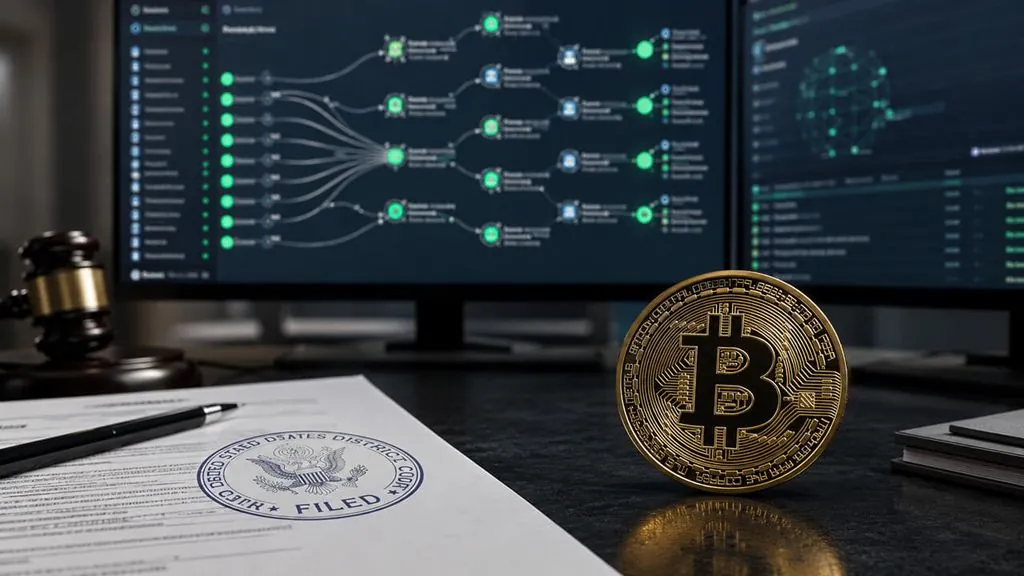
A New York lawsuit seeking to seize dormant Bitcoin wallets, including those attributed to Satoshi Nakamoto, faces a challenge: on-chain data shows $2.48 billion in recent transfers from addresses the plaintiffs claimed were abandoned. The transfers directly contradict the legal premise that these wallets are inactive.
Written by CoinArticle’s AI Newsroom · from 1 cited source. How we work
The Lawsuit's Core Claim
Plaintiffs in a New York proceeding are attempting to seize title to over $200 billion in Bitcoin held in dormant addresses, including wallets commonly attributed to Satoshi Nakamoto. The legal strategy rests on the argument that these addresses have been abandoned and thus constitute unclaimed property subject to state custody rules. The case represents an effort to use dormancy doctrine—traditionally applied to bank accounts and securities—to claim cryptocurrency.
On-Chain Evidence Contradicts Abandonment
Recent blockchain analysis has identified $2.48 billion in Bitcoin transfers from addresses the plaintiffs characterized as lost or inactive. These transfers directly undermine the plaintiffs' central premise that the wallets are abandoned or no longer under active control. The on-chain activity suggests the addresses retain some operational relationship, whether through active management or other mechanisms, creating a factual barrier to the seizure claim.
Legal Implications
For dormancy doctrine to apply, plaintiffs typically must demonstrate that an asset has shown no signs of activity or claim for an extended period. Credible on-chain transfers within the litigation timeline substantially weaken that showing. The outcome may hinge on whether courts accept blockchain evidence as dispositive proof of active control and ownership intent, a question that remains largely unsettled in U.S. jurisprudence.
Why It Matters
For Traders
If the lawsuit fails due to on-chain evidence, it reduces tail risk around involuntary Bitcoin seizure based on dormancy claims.
For Investors
The case tests whether U.S. courts recognize blockchain activity as proof of ownership intent, a precedent with implications for legacy asset law applied to crypto.
For Builders
On-chain transparency may become a critical defense tool in property seizure disputes; protocols should consider how activity patterns appear to external observers.
This article is for information only and is not financial advice. Read the full disclaimer.