Bitcoin Undervalued? Key Signals Indicate Potential Upside
Recent indicators suggest that Bitcoin may be undervalued compared to traditional assets like gold. A combination of technical analysis and on-chain metrics points to a potential recovery as market conditions begin to stabilize.
Written by CoinArticle’s AI Newsroom · from 1 cited source. How we work
Market Signals Point to Bitcoin Undervaluation
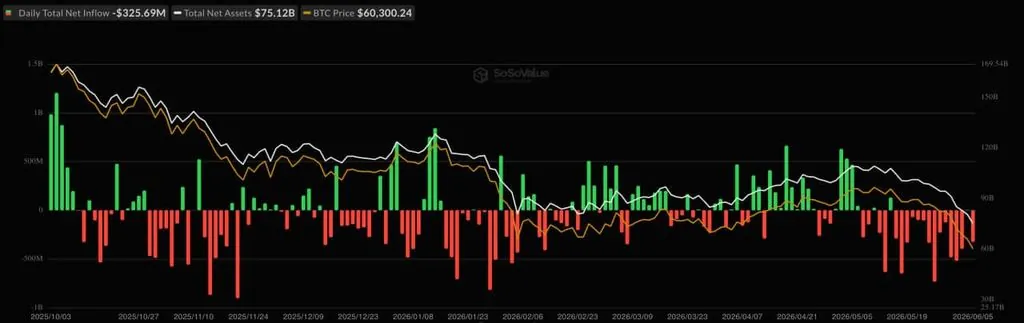
Recent analysis indicates that Bitcoin could be undervalued when compared to traditional safe-haven assets, particularly gold. With the cryptocurrency currently trading at historically favorable levels across several critical metrics, it appears to be exhibiting signs reminiscent of previous cycle lows.
Technical Indicators Flash Oversold Conditions
Bitcoin's Daily Relative Strength Index (RSI) has dipped below the pivotal 30 threshold, a level often linked to oversold conditions and cycles' bottoms. Such a technical reading typically precedes bullish divergences, where price action begins to pull back upward despite ongoing selling pressure. A sub-30 RSI is a relatively rare phenomenon in Bitcoin's trading history, usually occurring only during pronounced market downturns.
BTC/USD/Gold Ratio Suggests Relative Undervaluation
Current assessments of the Bitcoin-to-gold price ratio indicate that the digital asset may be undervalued compared to the precious metal. This important metric allows traders to evaluate Bitcoin's performance in relation to traditional stores of value. The observed divergence between these two asset classes offers insights into risk sentiment and capital allocation trends among investors.
On-Chain Metrics Show Structural Changes
The amount of Bitcoin held on centralized exchanges has dropped to 2.76 million BTC, reflecting a significant decline in exchange reserves. Lower exchange balances generally signify less immediate selling pressure, as coins moved to cold storage or self-custody are less likely to be traded in the near term.
Moreover, a close examination of miner and whale activity reveals patterns of controlled distribution, rather than panic selling. This measured strategy suggests that larger holders are positioning themselves strategically instead of capitulating in the face of market volatility.
Market Implications
The intersection of oversold technical conditions, favorable positioning relative to gold, and decreasing exchange reserves creates a compelling framework for market observers. While each of these indicators holds limited weight on its own, their simultaneous emergence has historically signaled periods of price stabilization or recovery.
These metrics may not guarantee future performance, but they offer vital insights into current market structure and participant behavior. As investors navigate these signals, they must also consider broader macroeconomic factors that impact both traditional and digital asset markets.
Why It Matters
For Traders
Traders can leverage these indicators to navigate market shifts more effectively and identify entry points as Bitcoin shows signs of recovery.
For Investors
Long-term investors should monitor these signals as they may suggest a buying opportunity in an undervalued Bitcoin market, particularly in relation to traditional asset benchmarks like gold.
For Builders
Developers and builders should consider the evolving market dynamics and on-chain trends, which indicate potential stability and growth opportunities in the Bitcoin ecosystem.
This article is for information only and is not financial advice. Read the full disclaimer.