Bitcoin Faces Worst Q4 Since 2018, Drops Nearly 22% Amid Macro Pressures
Bitcoin is set to close its worst fourth quarter since 2018, with a nearly 22% decline driven by macroeconomic pressures and weakening demand. This downturn challenges the cryptocurrency's historical year-end strength and raises concerns about its trajectory heading into 2025.
Written by CoinArticle’s AI Newsroom · from 2 cited sources. How we work
Bitcoin Faces Worst Q4 Since 2018, Drops Nearly 22% Amid Macro Pressures
Bitcoin is on track to close out its worst fourth quarter since the brutal 2018 market crash, with the leading cryptocurrency plunging nearly 22% during a period traditionally associated with strong year-end rallies. The dramatic downturn marks a stark reversal from the optimism that characterized much of 2024's earlier months, as mounting macroeconomic pressures and weakening demand weigh heavily on digital asset prices.
What We Know
Bitcoin has experienced a substantial decline of approximately 22% during the fourth quarter of 2024, making this the worst Q4 performance since the 2018 cryptocurrency market crash. Historically, this period tends to be favorable for Bitcoin, making the current downturn particularly noteworthy for investors and market analysts.
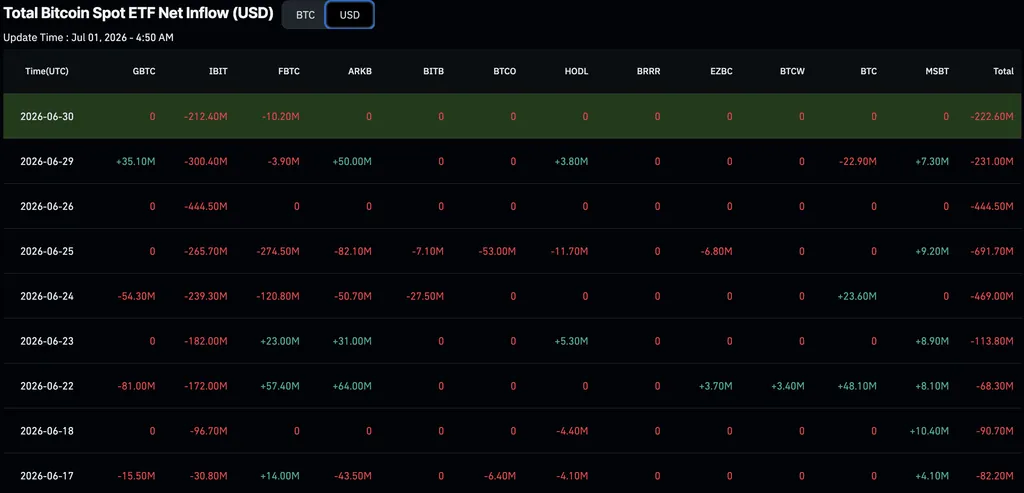
The price deterioration is being driven by two primary factors: intensifying macroeconomic pressure and diminishing demand for the cryptocurrency. These twin headwinds have created a challenging environment for Bitcoin holders who anticipated the traditional year-end rally that has characterized many previous fourth quarters.
Key Details
The 2018 comparison is particularly significant in cryptocurrency market history. That year's fourth quarter saw Bitcoin collapse from around $6,000 to below $4,000, part of a broader "crypto winter" that lasted well into 2019. The current Q4 decline, while substantial at nearly 22%, represents a troubling parallel to that difficult period.
Macroeconomic Pressures
Broader concerns about global economic conditions, interest rate policies, and traditional financial market volatility are weighing heavily on Bitcoin prices. Historically, these factors have influenced cryptocurrency markets, especially during periods of uncertainty when investors tend to reduce exposure to riskier assets.
Weakening Demand
Fading demand signals a potential shift in market sentiment. After periods of strong institutional interest and retail enthusiasm earlier in the year, the current quarter has seen reduced buying pressure, contributing to the sustained price decline. This weakening demand has made it difficult for Bitcoin to establish a firm price floor or mount a meaningful recovery.
Broader Implications
The fourth quarter typically represents a crucial period for Bitcoin's annual performance, often accounting for significant gains that determine the cryptocurrency's year-over-year returns. The current underperformance not only affects Q4 results but also has implications for Bitcoin's overall 2024 annual performance.
Why This Matters
This Q4 decline carries significant implications for the cryptocurrency market as we head into 2025. Bitcoin's performance during traditionally strong quarters serves as a barometer for overall market health and investor confidence in digital assets. The nearly 22% drop challenges the narrative of consistent fourth-quarter strength and suggests that market dynamics may be shifting.
For investors, this downturn raises questions about Bitcoin's near-term trajectory and whether the cryptocurrency can reclaim momentum in the new year. The combination of macro pressures and fading demand indicates that the challenges facing Bitcoin may extend beyond short-term price fluctuations, potentially signaling a need for renewed catalysts to drive the next phase of growth.
The comparison to 2018—a year that ushered in a prolonged bear market—adds urgency to these concerns. While market conditions differ today, with greater institutional adoption and regulatory clarity than six years ago, the parallel serves as a reminder that Bitcoin remains susceptible to significant drawdowns even during historically favorable periods. How the cryptocurrency responds in early 2025 will be critical in determining whether this Q4 represents a temporary setback or the beginning of a more extended period of weakness.
Key Entities: Bitcoin
Sentiment: Bearish
This article is for information only and is not financial advice. Read the full disclaimer.