Bitcoin's Future: How Easing Inflation Shifts Market Dynamics
Bitcoin's trajectory is increasingly dependent on macroeconomic shifts as inflation eases. Analyst Anthony Pompliano highlights the potential of a 'monetary slingshot' affecting Bitcoin's pricing dynamics.
Written by CoinArticle’s AI Newsroom · from 1 cited source. How we work
Bitcoin’s Next Move Relies on Macro Shifts as Inflation Eases: Analyst
As inflation shows signs of easing, Bitcoin's trajectory is becoming increasingly reliant on broader macroeconomic shifts. In a recent discussion, Anthony Pompliano, chairman of ProCap Financial, shared insights into Bitcoin’s future and the economic environment that could significantly impact its pricing dynamics.
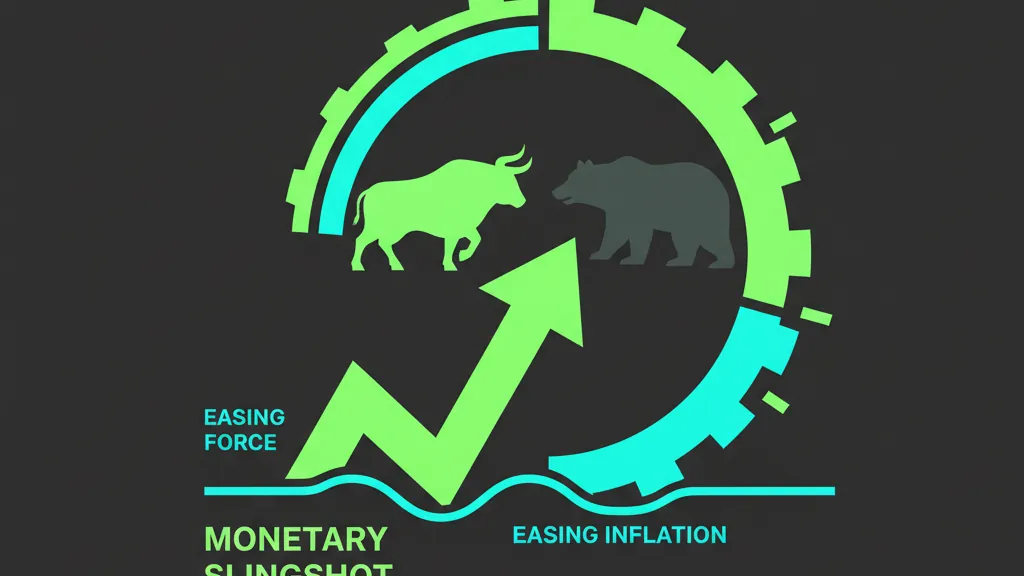
Pompliano emphasized that Bitcoin stands on the brink of a potential "monetary slingshot" fueled by the Federal Reserve's strategy to print money as a countermeasure against deflation. This monetary policy, grounded in conventional economic principles during turbulent periods, could provide substantial upward momentum for the cryptocurrency.
The ‘Monetary Slingshot’ Explained
The idea of a “monetary slingshot” arises as investors anticipate considerable monetary stimulus from the Federal Reserve. With inflation rates declining, the central bank may decide to enhance liquidity in the financial system, subsequently increasing asset prices, including cryptocurrencies like Bitcoin. As more capital flows into the market, Bitcoin could attract renewed interest from both retail and institutional investors alike.
Pompliano argues that Bitcoin's fundamental value proposition remains solid in the long term, serving as a hedge against inflation and a digital alternative to traditional currencies. This perspective revitalizes discussions around Bitcoin as a formidable asset class, particularly during economic uncertainty when fiat currencies experience significant volatility.
Holding Through the Storm
For investors contemplating strategies in the crypto space, Pompliano stresses the importance of resilience. Investors must be ready to hold Bitcoin through various market cycles, suggesting the cryptocurrency may not always yield immediate returns. The journey to significant price appreciation may be marked by periods of turbulence, but those who endure could ultimately reap benefits from favorable monetary conditions.
Why It Matters
For Traders
Traders should keep a keen eye on macroeconomic data and Federal Reserve announcements, as these will profoundly influence Bitcoin's price movements. Understanding the nuances behind monetary policy changes can lead to more informed trading decisions and capitalize on short-term gains as market sentiment evolves.
For Investors
For long-term investors, Pompliano's insights indicate that maintaining a diverse portfolio in a rising inflationary environment may be prudent. As Bitcoin solidifies its role in the financial ecosystem, it could prove to be a crucial asset for hedging against inflation and market uncertainties.
For Builders
For developers and entrepreneurs in the blockchain sector, grasping these macro trends is essential. They can harness the increasing interest in Bitcoin and other cryptocurrencies to create innovative solutions that enhance user engagement and foster adoption in both retail and institutional markets. Investing in infrastructure and applications during these transformative times could spur significant advancements within the crypto industry.
In summary, Bitcoin’s forthcoming movements hinge on a delicate interplay of macroeconomic factors, particularly as inflation eases. As the landscape evolves, stakeholders across the crypto spectrum must remain informed and adaptable.
This article is for information only and is not financial advice. Read the full disclaimer.