Bosnia and Herzegovina's World Cup Return Highlights Crypto's Role in Fan Engagement
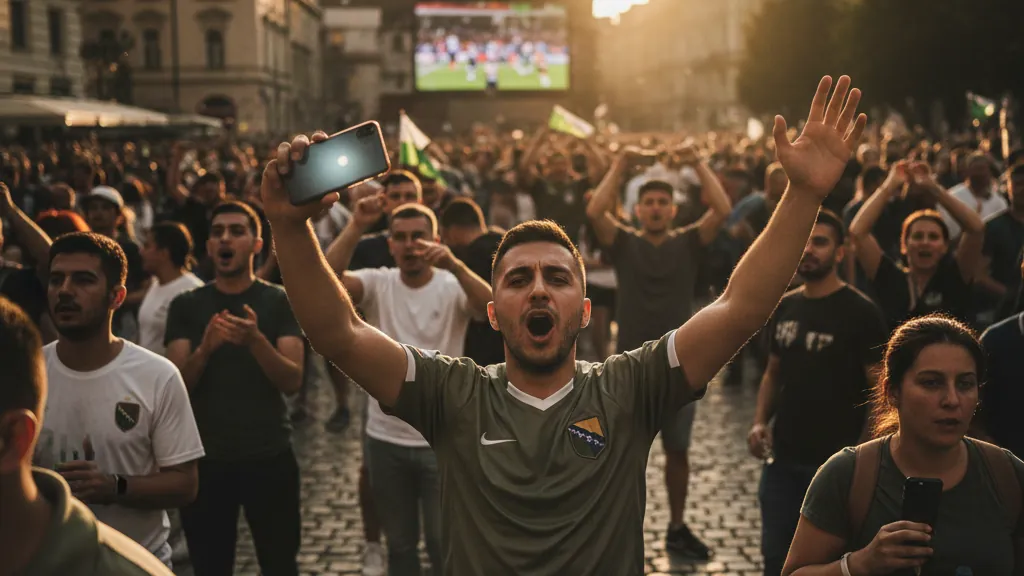
Bosnia and Herzegovina's qualification for the FIFA World Cup has drawn attention to cryptocurrency's expanding use in sports fan engagement initiatives. The integration raises questions about whether crypto-based loyalty programs can sustain momentum beyond major sporting events.
Written by CoinArticle’s AI Newsroom · from 1 cited source. How we work
Crypto Enters the Stadium
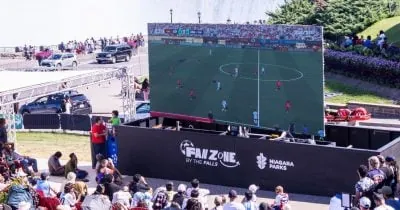
Bosnia and Herzegovina's return to the FIFA World Cup has coincided with renewed interest in how blockchain-based tools and cryptocurrency tokens are being deployed to deepen fan participation. Teams and sports organizations are experimenting with NFT collections, fan tokens, and blockchain-verified loyalty programs to monetize supporter bases and create new revenue streams around major tournaments.
The Engagement Promise and Its Limits
Crypto-based fan engagement tools offer verifiable ownership, tradeable digital collectibles, and direct monetary incentives that traditional loyalty programs cannot easily replicate. However, the industry has struggled to maintain user growth in periods between major sporting events. Most crypto sports initiatives see sharp user acquisition spikes during high-visibility moments—World Cups, championship finals, player transfers—but face steep retention drops during off-season periods when engagement drivers are weaker.
Structural Challenges Ahead
The sustainability question cuts to the core of crypto adoption in sports: whether blockchain mechanics alone can hold fan interest when the underlying sporting calendar is quiet. Successful integration will likely require combinations of token utility (voting, merchandise discounts, exclusive content access) and ongoing narrative-building rather than reliance on event-driven cycles.
Why It Matters
For Traders
Sports-focused tokens and NFT projects typically see event-driven volume spikes; monitor World Cup-adjacent projects for predictable liquidity windows.
For Investors
Fan token adoption remains unproven as a sustainable business model; current initiatives suggest strong short-term engagement but weak long-term retention metrics.
For Builders
Sports fan platforms need non-event utility mechanisms—governance, real-world benefits, secondary markets—to justify token economics beyond tournament cycles.
This article is for information only and is not financial advice. Read the full disclaimer.