British Forces Board Russian Oil Tanker Tied to Crypto Shadow Fleet
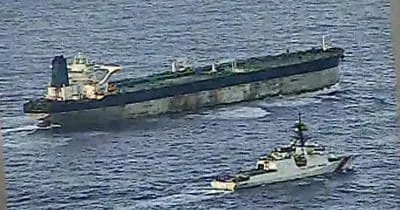
British naval forces boarded a sanctioned Russian oil tanker in the English Channel and discovered evidence of cryptocurrency payments used to operate the vessel as part of a shadow fleet. The seizure underscores regulators' growing concern about digital assets enabling sanctions evasion.
Written by CoinArticle’s AI Newsroom · from 1 cited source. How we work
Operation in the English Channel
British military forces boarded a sanctioned Russian oil tanker operating in the English Channel and found documentation linking the vessel to cryptocurrency transactions used to fund its operations. The tanker, part of what analysts call a shadow fleet—aging ships used to transport Russian oil while circumventing Western sanctions—was seized after the boarding action. Officials did not immediately disclose the vessel's name or the specific cryptocurrencies involved, but confirmed the operation was undertaken to enforce existing sanctions regimes.
Crypto as a Sanctions Evasion Tool
The operation adds concrete evidence to concerns raised by Western intelligence agencies and sanctions enforcement bodies that digital assets are increasingly used to move value across borders while evading traditional financial controls. Cryptocurrency transactions leave on-chain records but can obscure the identity of parties involved if addresses are not linked to known exchanges or custodians. Shadow fleet operators have relied on layered payment schemes—mixing cryptocurrency with shell company banking and peer-to-peer transfers—to mask the flow of funds from sanctioned entities.
Regulatory Implications
The seizure is likely to accelerate calls within regulatory agencies for tighter compliance standards on cryptocurrency exchanges and increased scrutiny of wallet patterns associated with sanctions entities. The U.S. Treasury's Office of Foreign Assets Control (OFAC) already publishes lists of blocked cryptocurrency addresses, but enforcement remains fragmented across jurisdictions. European authorities, who coordinated the operation, may use the incident to justify stricter AML and sanctions-screening rules for digital asset service providers.
Why It Matters
For Traders
Regulatory crackdowns on crypto sanctions evasion may lead to stricter exchange compliance and delisting of high-risk jurisdictions, reducing market access for certain traders.
For Investors
Governments are formalizing enforcement playbooks against crypto-funded illicit activity, signaling intent to regulate digital assets as financial infrastructure rather than treat them as frontier technology.
For Builders
Infrastructure providers and exchanges must expect increased OFAC compliance requirements and on-chain monitoring of user wallets; sloppy AML tooling is now a material liability.
This article is for information only and is not financial advice. Read the full disclaimer.