California's 5% Wealth Tax Proposal Triggers Backlash in Crypto Sector
California's proposed 5% one-time wealth tax targeting billionaires has ignited fierce criticism from the crypto and tech industries, particularly due to its provision on taxing unrealized gains. As lawmakers discuss the implications, the potential for wealth migration and market volatility looms large.
Written by CoinArticle’s AI Newsroom · from 1 cited source. How we work
California's Proposed Wealth Tax Sparks Industry Backlash
California lawmakers are considering a controversial one-time wealth tax that has triggered fierce opposition from the state's crypto and technology sectors. The proposed measure would impose a 5% levy on individuals with a net worth exceeding $1 billion, particularly alarming digital asset holders due to its taxation of unrealized gains.
The Proposal's Key Components
The wealth tax would specifically target California's wealthiest residents, applying exclusively to those whose net worth surpasses the $1 billion threshold. Unlike traditional income taxes, this measure assesses taxes on "paper gains"—the increased value of assets that have not yet been sold or converted to cash. For crypto holders, this means owing taxes on digital assets that remain in their portfolios, regardless of whether they've been liquidated.
Industry Response
Prominent figures in the cryptocurrency and technology industries have raised strong objections to the proposal. One major concern involves liquidity constraints, as individuals could find themselves facing substantial tax bills on assets they haven't sold, potentially forcing forced liquidations to meet these obligations. For cryptocurrency holders, the volatility of digital assets heightens these worries—taxpayers could be liable for taxes based on valuations that may subsequently decline.
Broader Market Context
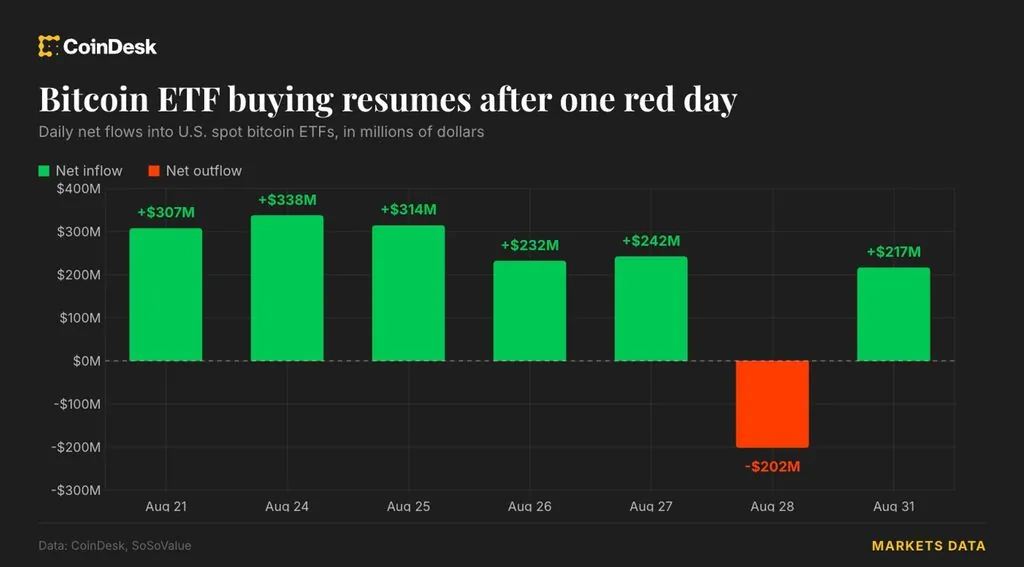
The wealth tax debate occurs amid challenging market conditions for digital assets. Recent data shows Bitcoin ETFs experienced $782 million in outflows, highlighting shifting investor sentiment in the cryptocurrency space. This capital movement underscores the sensitivity of crypto markets to regulatory developments and policy changes.
Implications for California
Should the measure advance, California could face significant consequences, including accelerated wealth migration to states with more favorable tax climates. The state already has the highest income tax rates in the nation, and adding a wealth tax could intensify the departure of high-net-worth individuals. The crypto and tech sectors, which have fueled California's economic growth, may contemplate relocating their operations elsewhere.
Conclusion
California's proposed 5% wealth tax represents a pivotal policy development, with far-reaching implications for cryptocurrency holders and technology entrepreneurs. As lawmakers deliberate this measure, its outcome could reshape not only California's economic landscape but also establish precedents for wealth taxation in other jurisdictions. The ongoing debate highlights the tensions between revenue-generation objectives and the need to maintain a competitive environment for innovation and capital formation.
Why It Matters
For Traders
The proposed wealth tax could lead to market volatility, as significant investors may need to liquidate assets to cover tax obligations. This potential increase in sell pressure could affect market prices.
For Investors
Long-term investors should consider the implications of taxation on unrealized gains, as this could lead to higher costs associated with maintaining crypto positions, particularly during a bearish market.
For Builders
Developers and innovators in the crypto space may face a challenging environment if high-net-worth individuals exit California in search of more favorable tax jurisdictions, possibly stifling growth and investment opportunities in the region.
This article is for information only and is not financial advice. Read the full disclaimer.