Cardano On-Chain Governance Sparks Internal Dispute Over Treasury Control
Cardano's on-chain governance system, launched in 2025 with ADA holder voting rights over a $470 million treasury, has triggered disagreement between founder Charles Hoskinson and the Cardano Foundation. The conflict reflects tension between decentralized decision-making and centralized stewardship.
Written by CoinArticle’s AI Newsroom · from 1 cited source. How we work
Governance System Goes Live
Cardano activated its on-chain governance framework in early 2025, granting ADA token holders direct voting authority over the network's $470 million treasury. The system was positioned as a milestone toward true decentralization, replacing prior decision-making structures where the Cardano Foundation and Input Output Global held veto power over major spending proposals.
Conflict Emerges Over Control
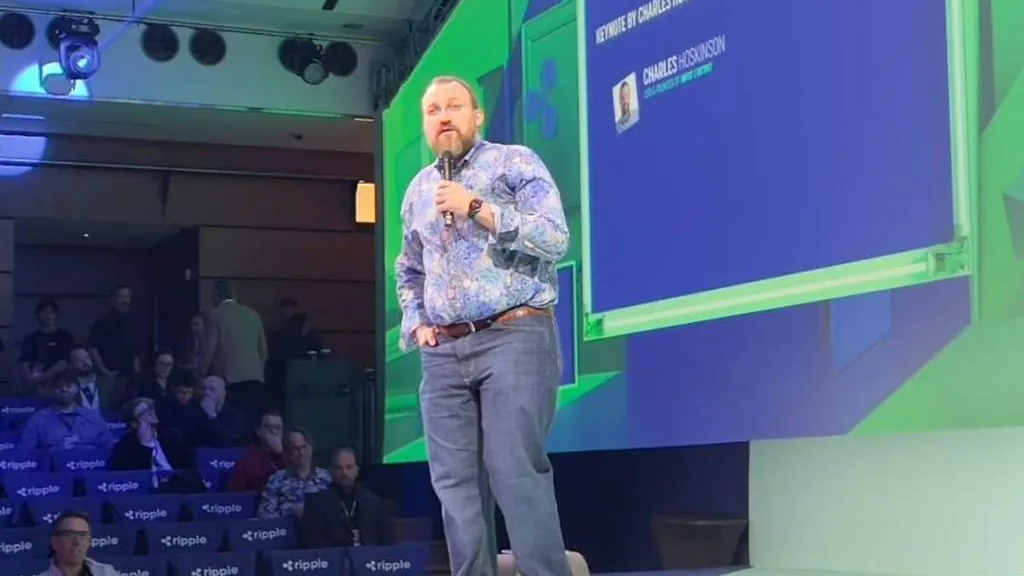
Eighteen months into operation, disagreement has surfaced between Hoskinson, founder of Input Output Global, and the Cardano Foundation over how treasury funds should be allocated and by whom. The specific proposals under dispute have not been detailed in available reporting, but the tension reflects a fundamental architectural question: whether governance should vest entirely in token holders or retain checks from established entities.
Broader Implications for Decentralization
The conflict underscores a persistent challenge in decentralized governance design. Protocols that commit voting power to distributed stakeholders often discover that token holders and legacy stewards have divergent priorities. Cardano's experience may inform how other Layer 1 networks balance immutability of on-chain decisions against safeguards designed to prevent wasteful or corrupt treasury deployment.
Why It Matters
For Traders
Governance conflict may create uncertainty around funding decisions that affect Cardano's roadmap execution and developer attractiveness, adding noise to medium-term ADA price drivers.
For Investors
Unresolved tension between decentralization and foundation control signals risk that Cardano's governance model may not function as promised, with structural design flaws taking time to resolve.
For Builders
Developers on Cardano should monitor treasury allocation disputes to understand which projects receive funding; shifting priorities could affect ecosystem grants and incentive programs.
This article is for information only and is not financial advice. Read the full disclaimer.