Cardano's Hoskinson Backs XRP Over Tether and Circle as Web2.5 Solution
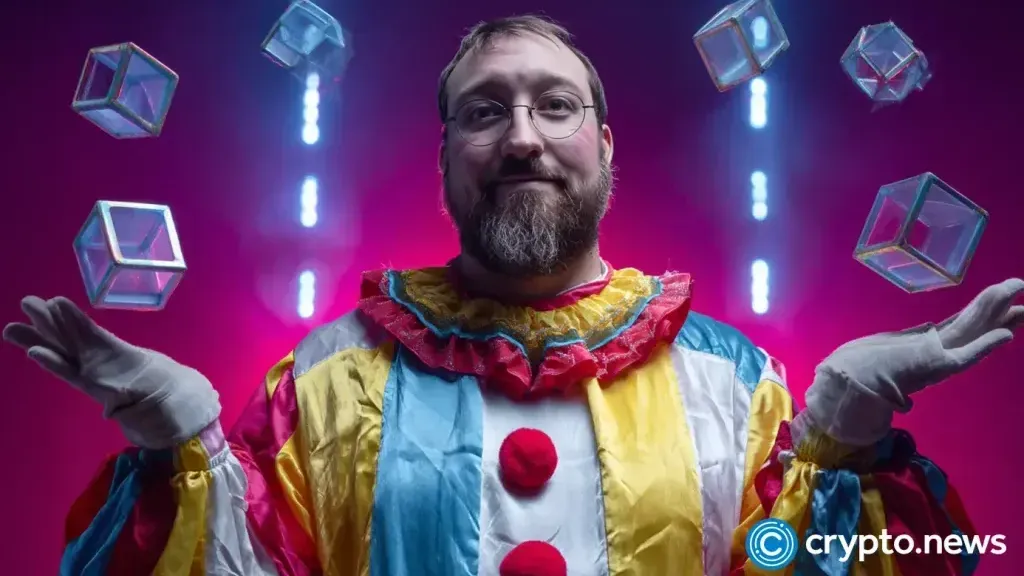
Charles Hoskinson, founder of Cardano, praised XRP as superior to Tether and Circle for Web2.5 use cases, citing the XRP Ledger's open access model that does not require Ripple approval. Hoskinson highlighted the distinction between permissionless infrastructure and centralized stablecoin issuance.
Written by CoinArticle’s AI Newsroom · from 1 cited source. How we work
Hoskinson's Assessment
Charles Hoskinson said XRP functions better than Tether or Circle as a Web2.5 product because the XRP Ledger operates without gatekeeping by Ripple. In contrast, he characterized Tether and Circle as centralized payment rail operators whose access and feature decisions remain subject to corporate control, limiting their utility as open infrastructure.
The Open Access Argument
Hoskinson emphasized that XRPL validators and participants can operate and build on the ledger freely, whereas stablecoin issuers maintain direct control over their ecosystems. This distinction—between a ledger anyone can join versus a service anyone must trust—underpins his view that XRP better serves a transitional Web2.5 environment where traditional finance touches crypto infrastructure without full decentralization.
Why It Matters
For Traders
Commentary from high-profile figures on token fundamentals typically has short-lived price impact unless paired with material news; monitor XRP spot action for confirmation.
For Investors
The debate reflects diverging views on whether permissionless ledgers or controlled stablecoins better serve mainstream adoption—a structural question for long-term crypto positioning.
For Builders
Hoskinson's framing highlights the tradeoff between open participation and operational control; builders choosing between XRPL and stablecoin rails should weigh their tolerance for third-party gatekeeping.
This article is for information only and is not financial advice. Read the full disclaimer.