Celsius Founder Mashinsky Seeks to Vacate 12-Year Sentence, Invokes SBF Precedent
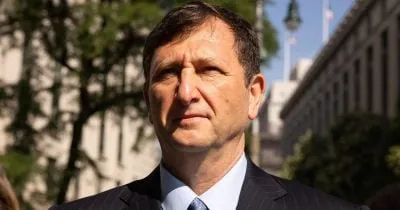
Alex Mashinsky, founder of the collapsed lending platform Celsius, has filed to vacate his 12-year fraud sentence by citing legal developments in Sam Bankman-Fried's case. The appeal raises questions about consistency in crypto fraud prosecutions and sentencing standards.
Written by CoinArticle’s AI Newsroom · from 1 cited source. How we work
Appeal Filing and Legal Arguments
Alex Mashinsky filed a motion to vacate his 12-year sentence, arguing that recent legal outcomes in the Sam Bankman-Fried case provide grounds for reconsideration of his conviction and penalty. Mashinsky was sentenced in July 2024 after being found guilty of wire fraud, conspiracy, and money laundering related to Celsius's operations. The filing does not specify which aspects of the SBF precedent Mashinsky believes should apply to his case, though his lawyers argue inconsistencies in how federal courts have treated crypto fraud cases.
Sentencing Context
Mashinsky's 12-year sentence was among the longest handed down in crypto-related fraud cases to date. Celsius filed for Chapter 11 bankruptcy in 2022 after freezing customer withdrawals, ultimately leading to investigations that revealed the platform had misled customers about yield generation and risk management. Bankman-Fried received a 25-year sentence in November 2024 for wire fraud and conspiracy related to FTX's collapse, though his case has seen post-conviction appeals and procedural developments that Mashinsky's legal team appears to believe may affect sentencing jurisprudence.
Regulatory and Legal Implications
The appeal underscores ongoing questions about how federal courts calibrate sentences for cryptocurrency fraud, particularly in cases involving large customer losses. Mashinsky's motion will likely be reviewed in coming months, with outcomes potentially affecting how defense teams in other crypto cases frame arguments about sentencing parity and precedent.
Why It Matters
For Traders
Legal outcomes in high-profile fraud cases rarely move short-term markets, but sustained uncertainty about founder accountability can affect sentiment toward lending platforms and custodial products.
For Investors
Sentencing inconsistencies in crypto fraud cases may influence how institutional players assess regulatory risk and platform governance when evaluating exposure to centralized protocols.
For Builders
Appeals in major fraud cases can set precedents affecting how courts interpret smart contract design, yield disclosures, and platform risk communication in decentralized finance.
This article is for information only and is not financial advice. Read the full disclaimer.