China's Crude Oil Imports Hit Pandemic Lows Amid Iran Supply Disruptions
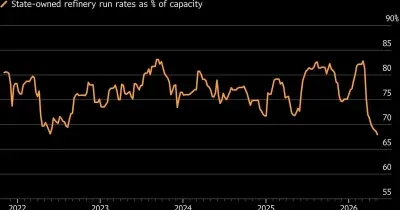
China's crude oil imports fell to pandemic-era levels as geopolitical tensions around Iran disrupted supply chains. The decline is straining refinery margins and reshaping global energy markets, with potential spillover effects on crypto mining operations powered by cheap energy.
Written by CoinArticle’s AI Newsroom · from 1 cited source. How we work
Supply Chain Disruption
China's crude oil imports have contracted to levels not seen since the pandemic, driven by geopolitical friction in the Middle East and disruptions to Iranian supply lines. Refinery margins have compressed as a result, reducing profitability for downstream energy-intensive industries including some cryptocurrency mining operations that rely on cheap fuel or grid power pegged to oil prices.
Energy Market Realignment
The reduction signals vulnerability in global supply chains and suggests a recalibration of energy sourcing. Refineries operating below optimal capacity margins typically pass costs upstream, which can eventually reach electricity producers and industrial consumers. For regions where mining operations depend on favorable power pricing or fuel surpluses, tighter margins reduce the economic case for new capacity or expansion.
Why It Matters
For Traders
Energy cost inflation narrows margins for electricity-heavy strategies like long-duration arbitrage or mining plays tied to power scarcity.
For Investors
Reduced oil supply and higher refinery costs may increase global energy prices, raising operational expenses for mining-heavy crypto ecosystems like Bitcoin.
For Builders
Infrastructure projects dependent on cheap power or energy-linked incentives may face margin compression; energy-efficient consensus mechanisms gain relative competitive advantage.
This article is for information only and is not financial advice. Read the full disclaimer.