China's CXMT Tests Advanced DRAM Production Line, Challenging Global Chipmakers
China's CXMT has begun testing a production line for next-generation bonded DRAM, a technology that could compete with Samsung and SK Hynix's offerings. The development may affect global semiconductor supply chains and pricing dynamics for memory chips used across computing and blockchain infrastructure.
Written by CoinArticle’s AI Newsroom · from 1 cited source. How we work
CXMT's Production Testing
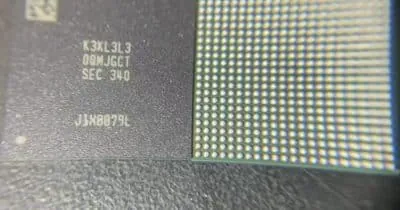
CXMT, a state-backed Chinese semiconductor manufacturer, has moved bonded DRAM technology from the design phase into production-line testing. Bonded DRAM stacks memory dies in a 3D configuration, increasing density and performance over conventional planar layouts. If the tests yield manufacturing yields comparable to competitors, CXMT could begin commercial production within 12–24 months, according to industry observers cited by Crypto Briefing.
Competitive and Supply-Chain Implications
Samsung and SK Hynix currently control roughly 75% of the global DRAM market by revenue. A viable third supplier from China could fragment that duopoly, potentially lowering DRAM prices across the industry. Bonded DRAM is also a critical component in high-performance computing, data centers, and GPU-accelerated systems—sectors where supply constraints have persisted since 2021. Chinese self-sufficiency in memory chips would reduce reliance on exports from South Korea and Japan and strengthen Beijing's semiconductor independence goals.
Broader Context
The move reflects China's multi-year push to close gaps in advanced chip design and fabrication. Prior attempts by Chinese DRAM makers to compete internationally have faced technical hurdles and export restrictions from the United States. CXMT's bonded DRAM approach differs from earlier efforts and is based on acquired or licensed designs, making success less certain but the competitive intent clear.
Why It Matters
For Traders
Sustained DRAM price pressure from Chinese supply could reduce operating costs for data center and GPU infrastructure providers, affecting semiconductor-adjacent equity and crypto-mining margins.
For Investors
A functional third DRAM supplier erodes pricing power for Samsung and SK Hynix, reshaping semiconductor economics and potentially lowering AI compute infrastructure costs long-term.
For Builders
Distributed DRAM production may improve access to memory chips for node operators and infrastructure providers in jurisdictions seeking supply diversification away from South Korea.
This article is for information only and is not financial advice. Read the full disclaimer.