Coinbase CEO Brian Armstrong: Big Banks See Crypto as an 'Existential' Threat
Coinbase CEO Brian Armstrong recently revealed that major banks now view cryptocurrency as a significant threat to their traditional business models. This perspective marks a turning point in the relationship between traditional finance and the crypto sector.
Written by CoinArticle’s AI Newsroom · from 1 cited source. How we work
Coinbase CEO Says Big Banks Now View Crypto as an ‘Existential’ Threat to Their Business
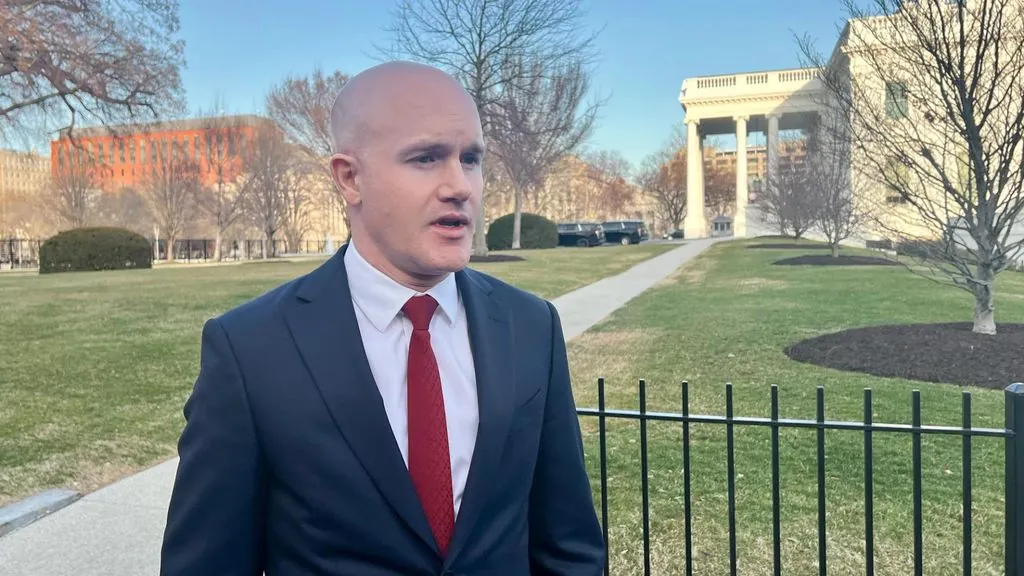
In a recent statement, Coinbase CEO Brian Armstrong expressed his views on the evolving relationship between traditional banking institutions and the cryptocurrency sector. Speaking after his return from the World Economic Forum, Armstrong conveyed that big banks have started to perceive cryptocurrency as an "existential" threat to their longstanding business models. This perspective signifies a pivotal moment for both industries as traditional finance (TradFi) begins to take crypto seriously.
The Shift in Mindset
Armstrong's assertion highlights a growing awareness among major banking institutions regarding the disruptive potential of cryptocurrencies. As digital assets continue to gain traction among retail and institutional investors, traditional banks are beginning to recognize that the rise of crypto could fundamentally alter the landscape of finance. Armstrong emphasized that as the adoption of blockchain technology and decentralized finance (DeFi) solutions accelerates, the implications for conventional banking practices have become increasingly significant.
This shift in mindset is reflective not only of market trends but also of regulatory changes and technological advancements that are prioritizing decentralized systems. For years, banks have operated within a centralized framework, but as crypto assets gain a more significant foothold in the financial ecosystem, these institutions find themselves in a position where adaptation is essential for survival.
The Impact of Traditional Finance's Recognition of Crypto
For Traders
For traders, this recognition by big banks signifies a maturation of the cryptocurrency market. As institutional capital flows into crypto, liquidity and stability may improve, offering traders more opportunities. However, it also indicates a competitive landscape in which trading strategies may need to adapt as financial institutions leverage advanced technology and analytics to enter the crypto space.
For Investors
For investors, Armstrong's comments suggest a shifting narrative that could influence market sentiment. Institutional acknowledgment of crypto as a threat to traditional finance may bolster confidence in the long-term viability of digital assets. Investors might view this as an indicator of crypto’s potential for growth and adoption, prompting them to invest more heavily in cryptocurrencies and blockchain projects gaining traction in the mainstream.
For Builders
For builders in the crypto ecosystem, this perspective from mainstream finance presents both challenges and opportunities. As big banks begin to innovate and develop their own blockchain solutions or involve themselves in the crypto realm, builders must ensure they are at the forefront of technological advancement. Collaborations between crypto projects and traditional financial institutions could lead to innovative products and services that benefit consumers and reshape the future of finance.
In conclusion, Brian Armstrong's statements serve as a critical reminder of the evolving dynamics between crypto and traditional finance. As each sector learns from the other, the possibilities for innovation and redefined financial systems grow, making it an exciting time for all stakeholders in the industry.
Why It Matters
For Traders
The evolving dynamic signals increased opportunities and competition in crypto trading.
For Investors
Increased institutional recognition of crypto may enhance market confidence and drive investments.
For Builders
New collaborations between crypto builders and traditional finance could lead to innovative solutions.
This article is for information only and is not financial advice. Read the full disclaimer.