Cautious Optimism in Crypto: Regulatory Clarity and Institutional Growth Ahead
As 2026 approaches, the crypto sector signals potential growth driven by regulatory clarity, increased institutional adoption, and technological advancements. Key developments may reshape the market landscape, offering new opportunities and challenges alike.
Written by CoinArticle’s AI Newsroom · from 1 cited source. How we work
Market Outlook Points to Measured Optimism
The digital asset sector is on the cusp of a potentially transformative phase as we approach 2026. Industry observers are projecting a cautiously constructive outlook underpinned by three pivotal pillars: regulatory clarity, institutional adoption, and technological evolution. This forecast derives from expectations of sustained economic resilience and anticipated productivity enhancements across the broader economy.
Regulatory Framework Takes Center Stage
A significant development on the horizon is the expected establishment of clearer global regulatory frameworks by 2025. This maturation of regulations is anticipated to carve out more defined operational boundaries for digital asset products and services, directly addressing long-standing concerns that have historically hamstrung market growth.
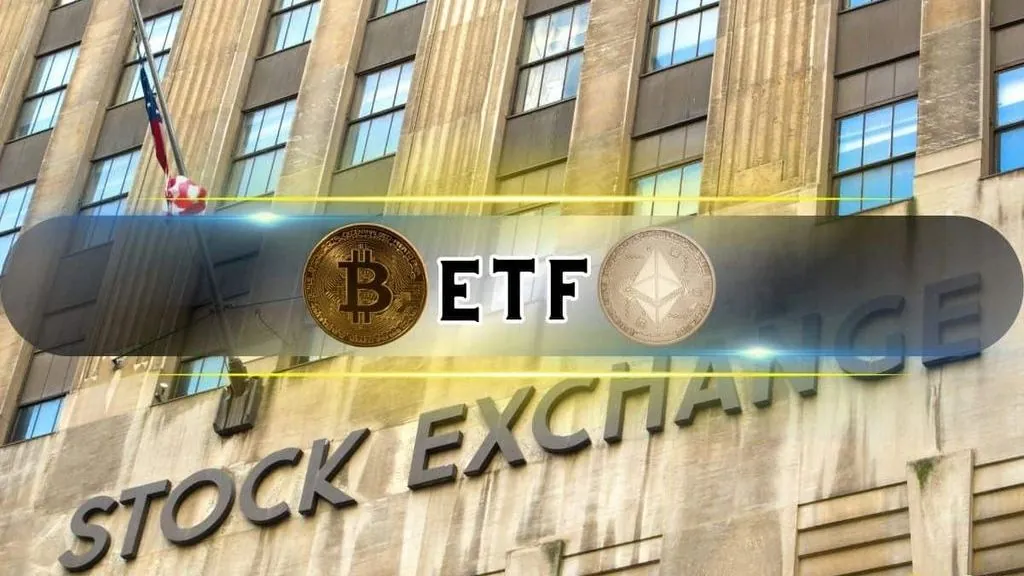
Such regulatory clarity is projected to catalyze the expansion of two critical market segments: exchange-traded funds (ETFs) centered on digital assets and corporate digital asset treasuries. These developments signify a normalization of crypto integration into traditional financial infrastructure, opening new avenues for capital flows into the sector.
Institutional Participation Evolves
The interplay of regulatory developments and the introduction of expanded financial products is expected to fundamentally alter how institutions interact with the crypto market. The arrival of more regulated investment vehicles and the establishment of clearer compliance pathways may significantly lower the barriers to entry for institutional participants who have previously stayed on the sidelines due to regulatory uncertainties.
Digital asset treasuries, in particular, indicate a burgeoning trend where corporations diversify portions of their balance sheets into cryptocurrencies. This practice could gain momentum as clearer regulations emerge, especially among risk-sensitive institutions.
Technological Shift in Token Economics
In addition to regulatory and institutional changes, a notable technological evolution is occurring within crypto protocols. Industry experts have observed a shift toward revenue-linked token models, reflecting a departure from previous tokenomics designs.
This transition signals that protocols are increasingly structuring tokens to have direct connections with the economic activity and revenue generation of their platforms. Such an evolution may foster more sustainable value propositions for token holders, aligning their interests with the underlying economic utility.
Market Structure Implications
The confluence of these factors—regulatory clarity, institutional infrastructure enhancement, and sophisticated token economics—suggests a maturing market structure. This optimistic outlook acknowledges that while promising catalysts are emerging, the digital asset sector still grapples with execution risks and macroeconomic variables.
As we look toward 2026, the landscape may be characterized by greater institutional involvement operating under clearer regulatory frameworks, backed by crypto protocols that are evolving into models grounded in economic realities. This combination could mark a significant phase in the sector's development, striking a balance between innovation and deeper integration into traditional financial systems.
Why It Matters
For Traders
Traders should remain vigilant as increased regulatory clarity could lead to heightened volatility and new trading opportunities as institutions enter the market.
For Investors
Long-term investors may find a more stable and structured investment environment as cryptocurrencies gain institutional backing and regulatory acceptance, potentially enhancing asset value over time.
For Builders
Developers and builders in the crypto space can leverage new regulatory frameworks and evolving token economics to innovate and create more robust products that align with the changing market dynamics, paving the way for sustainable growth.
This article is for information only and is not financial advice. Read the full disclaimer.