Crypto Market Faces Unprecedented Liquidations Amid 2025 Volatility
The cryptocurrency market has witnessed remarkable volatility in 2025, with October 10 marking the largest liquidation event in history. As traders grapple with leveraged positions, the implications for the industry are profound.
Written by CoinArticle’s AI Newsroom · from 1 cited source. How we work
Key Takeaways
- 1**Risk Management**: The data highlights ongoing challenges in risk management among crypto traders, particularly those utilizing high leverage ratios.
- 2**Market Volatility**: Liquidation cascades can amplify price movements, increasing volatility as forced selling triggers further liquidations.
- 3**Exchange Dynamics**: The concentration of liquidations provides insight into leverage usage across different trading platforms and the overall health of the derivatives market.
Record-Breaking Liquidations Mark Volatile Start to 2025
The cryptocurrency market has encountered significant turbulence in 2025, with liquidation events reaching unprecedented levels. According to data from CoinGlass, a leading crypto analytics platform, traders have faced substantial losses as market volatility continues to challenge leverage positions across the industry.
Historic October 10 Liquidation Event
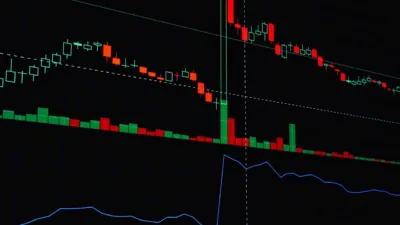
CoinGlass identified October 10 as a watershed moment in the crypto market, marking the largest liquidation event in the industry's history. This mass liquidation saw leveraged positions forcibly closed as prices shifted against traders' expectations, initiating automatic sell-offs across major exchanges. The sheer magnitude of this single-day event underscores the inherent risks associated with leveraged trading in the cryptocurrency space, where rapid price fluctuations can lead to cascading position closures.
2025 Liquidation Landscape
Beyond the October incident, CoinGlass's comprehensive report sheds light on the broader liquidation trends that have characterized the crypto market throughout 2025. The data encompasses both Bitcoin and the wider cryptocurrency ecosystem, revealing alarming patterns of over-leveraged positions coupled with volatile market conditions.
Liquidations occur when traders using borrowed funds fail to meet minimum margin requirements, compelling exchanges to automatically close their positions to mitigate further losses. These events typically intensify during periods of sharp price movements, whether upward or downward.
Market Implications
The scale of liquidations in 2025, particularly the historic October 10 event, carries several implications for the cryptocurrency market:
- Risk Management: The data highlights ongoing challenges in risk management among crypto traders, particularly those utilizing high leverage ratios.
- Market Volatility: Liquidation cascades can amplify price movements, increasing volatility as forced selling triggers further liquidations.
- Exchange Dynamics: The concentration of liquidations provides insight into leverage usage across different trading platforms and the overall health of the derivatives market.
Conclusion
CoinGlass's findings illustrate a crypto market still grappling with the double-edged sword of leveraged trading. While the October 10 event stands out as the most severe liquidation episode in crypto history, the broader data suggests that traders continue to face hurdles in navigating volatile market conditions. As 2025 progresses, these metrics will remain crucial indicators of market sentiment and risk appetite within the cryptocurrency ecosystem.
Why It Matters
For Traders
Traders should reassess their risk management strategies, especially those engaging in leveraged trading, to mitigate potential losses during extreme market movements.
For Investors
Long-term investors should remain vigilant about market volatility as liquidation events can lead to significant price corrections, impacting portfolio values.
For Builders
Developers and builders in the crypto space should focus on creating tools and resources that promote better risk management and education for traders, fostering a more resilient trading environment.
This article is for information only and is not financial advice. Read the full disclaimer.