Crypto & Tech Market Update: Nvidia Gains Amid Memory Supply Concerns
Nvidia shares rise as Micron reports strong earnings, signaling demand for memory solutions. However, supply constraints in high-bandwidth memory could pose challenges ahead.
Written by CoinArticle’s AI Newsroom · from 1 cited source. How we work
Crypto & Tech Market Update: Nvidia Gains Amid Memory Supply Concerns
Market Movement
Nvidia (NVDA) shares increased by 1.2%, reaching $172.91 in premarket trading, reflecting heightened investor interest in the semiconductor industry. This uptick aligns with broader market trends surrounding memory and AI infrastructure, as leading firms report on the evolving supply-demand dynamics that impact next-generation computing hardware.
Micron's Strong Performance Signals Demand
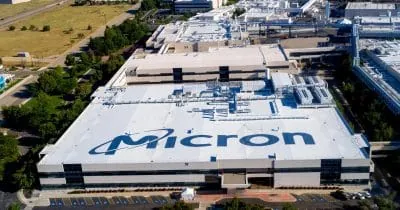
Micron Technology delivered impressive quarterly earnings that lifted sentiment across the semiconductor sector. The company's results suggest sustained demand for memory solutions essential for artificial intelligence infrastructure and data center operations. Market participants interpreted Micron's performance as a sign that the appetite for advanced computing components remains strong within enterprise and cloud computing segments.
Supply Constraints in High-Bandwidth Memory
However, Micron's CEO issued a stark warning regarding impending constraints in high-bandwidth memory (HBM) supply. The executive noted that current HBM availability is expected to fall short of market demand in the near future. HBM technology is crucial for AI accelerators and advanced processors, making its sufficient supply critical for companies engaged in developing next-generation computing systems. This ongoing supply-demand dissonance may have implications for pricing and allocation across the sector.
Board-Level Activity
Harvey Jones, a director on Nvidia’s board, sold 250,000 shares of the company during the reporting period. This transaction, which is standard among board members and executives, is disclosed through regulatory filings and represents typical portfolio management rather than any indication of diminished confidence in Nvidia's future prospects.
Industry Implications
The interplay between Micron's robust earnings, warnings about HBM supply, and Nvidia's premarket surge highlights the interconnectedness of semiconductor supply chains. The availability of memory components directly affects manufacturers' capabilities to produce AI-focused processors and accelerators. As demand for AI infrastructure continues to surge across multiple technology sectors, industry stakeholders will be watching supply forecasts with keen interest.
Conclusion
Recent developments illuminate the pivotal role that memory technology plays in the semiconductor ecosystem. While Nvidia's modest premarket gains reflect overall positive sentiment, the supply constraints in HBM flagged by Micron should raise red flags for investors monitoring the AI hardware expansion cycle. Supply chain resilience remains a crucial factor influencing the long-term growth trajectories of semiconductor manufacturers.
Why It Matters
For Traders
Understanding supply-demand dynamics is essential for making informed trading decisions in a fluctuating market.
For Investors
Paying close attention to memory supply issues can help investors gauge potential impacts on semiconductor stock performance.
For Builders
Developers need to remain aware of supply constraints to plan effectively for future AI and computing projects.
This article is for information only and is not financial advice. Read the full disclaimer.