DeFi Tokens Struggle as CoinDesk 20 Index Closes Lower
The CoinDesk 20 Index has taken a hit in recent trading, driven by losses in key DeFi tokens like Uniswap and Aave. The declining performance may reflect waning investor interest in the decentralized finance sector as market conditions remain cautious.
Written by CoinArticle’s AI Newsroom · from 1 cited source. How we work
Market Overview
The CoinDesk 20 Index has recently closed lower, reflecting broader bearish sentiment characterized by downward pressure on several major decentralized finance (DeFi) tokens. As the index tracks the performance of the largest and most liquid digital assets, its decline signals weakness across the cryptocurrency market, with key components registering notable losses.
Token Performance Details
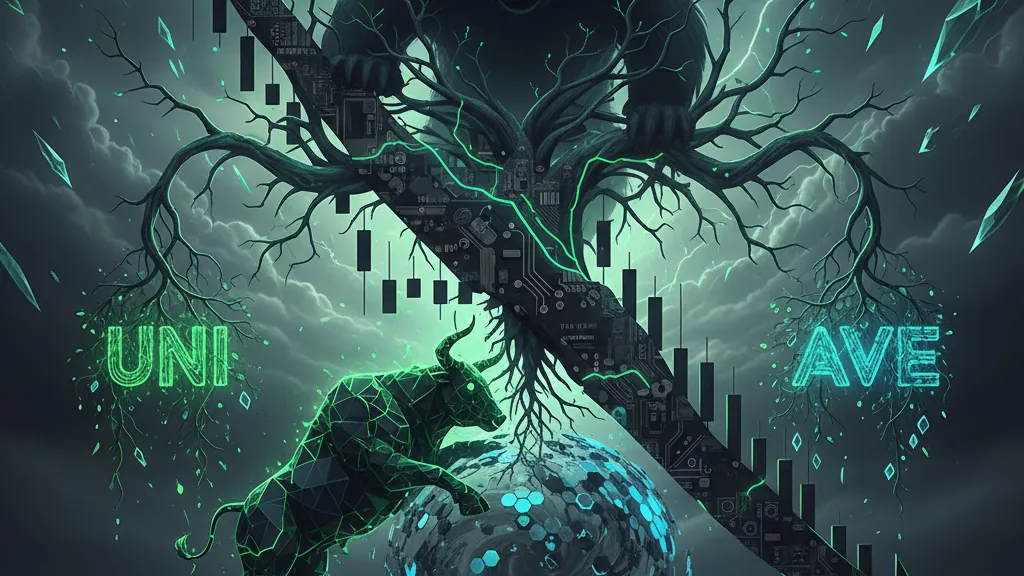
Uniswap (UNI), the governance token for the leading decentralized exchange protocol, experienced a decline of 1.6% during the trading session. As a significant constituent of the CoinDesk 20 Index, Uniswap's movement directly contributes to the overall performance metrics of the index.
In tandem, Aave (AAVE), the native token of the popular lending and borrowing protocol, fell 1.2% since Monday. AAVE has been identified among the underperformers in this latest snapshot, joining Uniswap in reflecting pronounced downturns in the index’s performance.
DeFi Sector Weakness
The simultaneous declines of both UNI and AAVE highlight a broader trend of fragility within the DeFi sector. As cornerstone protocols in decentralized finance, Uniswap is a leader in decentralized exchange volume, and Aave maintains a stronghold within the lending markets. Their concurrent underperformance may indicate a decrease in investor appetite for DeFi-related assets amid the current market climate.
Market Implications
The modest yet consistent losses across these key DeFi tokens underscore the prevailing cautious sentiment permeating the cryptocurrency market. While the percentage declines may appear contained, the pattern of underperformance among established DeFi protocols merits close observation from market participants. The CoinDesk 20 Index serves as a vital benchmark for both institutional and retail investors seeking to gauge the broader digital asset market. Movement in its constituent assets, particularly high-cap DeFi tokens like UNI and AAVE, often provides valuable insights into sector-specific trends and the overall market trajectory.
Conclusion
The recent trading session observed the CoinDesk 20 Index trading lower, largely driven by the declines of major DeFi tokens. Uniswap's 1.6% drop and Aave's 1.2% decline illustrate the current challenges facing the decentralized finance sector. Market participants will be vigilant in monitoring whether this trend persists or if these well-established protocols can reclaim positive momentum in the forthcoming trading sessions.
Why It Matters
Traders
For traders, the current performance of UNI and AAVE can indicate changing trends in the DeFi space, potentially guiding short-term trading strategies.
Investors
Long-term investors should note the cautious sentiment toward DeFi assets, as it could impact asset valuations and potential future investment opportunities in the sector.
Builders
Developers and builders within the DeFi ecosystem should observe these market movements, as they could inform project pivots or innovations that align better with evolving investor preferences.
This article is for information only and is not financial advice. Read the full disclaimer.