China's Digital RMB 2.0: A Major Upgradation for CBDC Framework
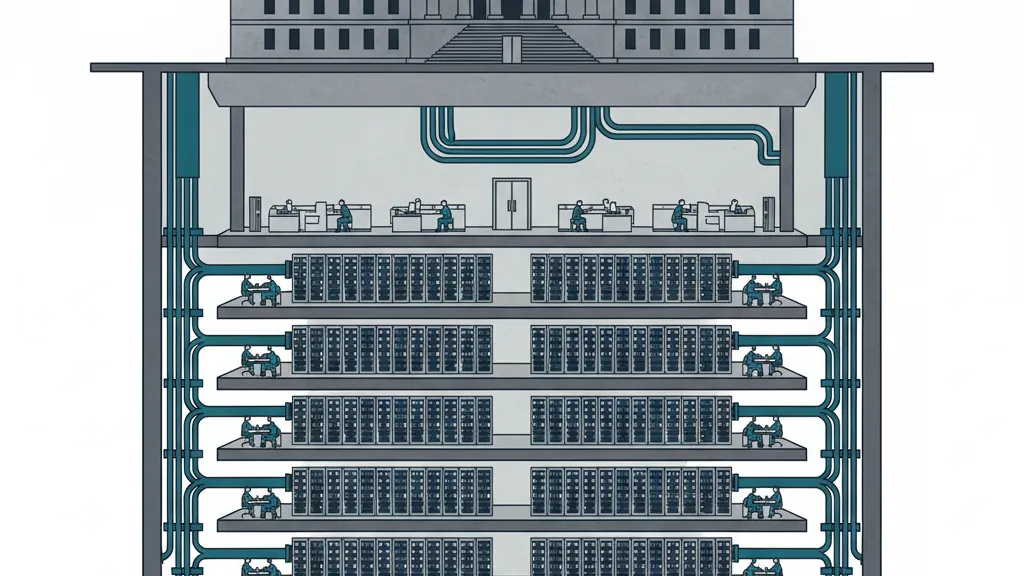
China gears up for a substantial upgrade to its central bank digital currency with the forthcoming Digital RMB 2.0, set to launch in January 2026. This transition heralds a move towards a deposit-based model, enhancing integration within the financial system.
Written by CoinArticle’s AI Newsroom · from 1 cited source. How we work
Introduction
China has announced a significant upgrade to its central bank digital currency (CBDC) infrastructure, with the launch of Digital RMB 2.0 scheduled for January 1, 2026. This evolution marks a paradigm shift in the country's digital currency architecture, transitioning from its current operational model to a more integrated financial system approach.
Key Changes in Digital RMB 2.0
The forthcoming Digital RMB 2.0 framework introduces pivotal changes to China's CBDC ecosystem. Most notably, the system will shift from a cash-type structure to a deposit-based model, indicating a strategic change in how the digital currency will operate within the broader financial infrastructure. This transformation aims to enhance user experience and improve efficiency in financial transactions.
Under the new framework, China's central bank will take on a more prominent leadership role in overseeing the digital RMB initiative across the financial system. This centralized approach signals a move toward tighter integration between the CBDC and traditional banking operations, potentially reshaping the landscape of financial services in China.
Technical and Structural Implications
The transition to a deposit-based model carries significant ramifications for user interaction with the digital RMB. While the existing system operates similarly to physical cash, the deposit-based structure suggests a closer alignment with conventional banking deposit mechanisms. This shift may influence liquidity management, transaction settlement processes, and the transmission of monetary policy.
Additionally, this architectural change is likely to redefine the roles of commercial banks within the digital currency ecosystem. The deposit-based model typically entails different intermediary functions compared to cash-equivalent systems, potentially altering the operational dynamics for banks in relation to the CBDC.
Broader Context
Since launching pilot programs in various cities in 2020, China has been at the forefront of CBDC development among major economies. The rollout of Digital RMB 2.0 represents the next crucial phase in this multi-year initiative aimed at digitizing the nation's currency infrastructure.
With January 2026 fast approaching, stakeholders—including financial institutions, merchants, and technology providers—will have approximately one year to prepare for the transition. Ensuring compatibility with the upgraded system will be critical to leveraging the enhanced capabilities of the Digital RMB 2.0.
Conclusion
The launch of Digital RMB 2.0 marks a significant milestone in China's central bank digital currency evolution. The shift to a deposit-based model and the bolstered leadership role of the central bank highlight the maturation of the CBDC framework as it moves from experimental phases to full-scale implementation. As the January 2026 deadline draws near, the financial sector will be keenly watching for technical specifications and regulatory guidance to ensure smooth integration with the new system.
Why It Matters
For Traders
The development of the Digital RMB 2.0 could influence liquidity and trading strategies in the Chinese market, making it essential for traders to stay informed about its operational mechanics and regulatory changes.
For Investors
Long-term investors should note that this upgrade signifies China's commitment to advancing its digital economy and could present new investment opportunities in companies aligned with digital financial systems.
For Builders
Developers and builders in the fintech space should prepare to adapt to the new infrastructure, as the deposit-based model may open up avenues for innovative financial solutions and applications that harness the capabilities of Digital RMB 2.0.
This article is for information only and is not financial advice. Read the full disclaimer.