Do Kwon Receives 15-Year Prison Sentence: Major Blow to Crypto Trust
Do Kwon, founder of the Terra blockchain, has been sentenced to 15 years for his role in the $40 billion LUNA fraud. This landmark ruling signals increased accountability in the cryptocurrency space.
Written by CoinArticle’s AI Newsroom · from 1 cited source. How we work
Breaking Development in Terra Case
In a landmark ruling that stands as one of the most significant judicial outcomes in cryptocurrency history, Do Kwon, founder of the now-defunct Terra blockchain platform, has been sentenced to 15 years in prison for his involvement in the $40 billion LUNA fraud. The sentence will be served in two jurisdictions, with Kwon spending half his term in the United States and the remaining portion in South Korea.
Background on the Terra Collapse
The Terra ecosystem, encompassing the LUNA token and its algorithmic stablecoin UST, experienced a catastrophic collapse in May 2022, erasing approximately $40 billion in market value in just a matter of days. This implosion sent shockwaves throughout the cryptocurrency market, precipitating a broader downturn that impacted millions of investors worldwide and contributed to an ongoing crisis of confidence in the digital asset industry.
Details of the Sentencing
The 15-year prison sentence signifies a substantial penalty in the realm of cryptocurrency-related crimes. The arrangement to split Kwon's incarceration between U.S. and South Korean facilities reflects the global nature of the case and the cooperation between the two countries' legal systems. This bilateral agreement ensures that Kwon will face repercussions in both jurisdictions where the fraud had a significant impact, highlighting the importance of international collaboration in the enforcement of financial regulations.
Implications for the Crypto Industry
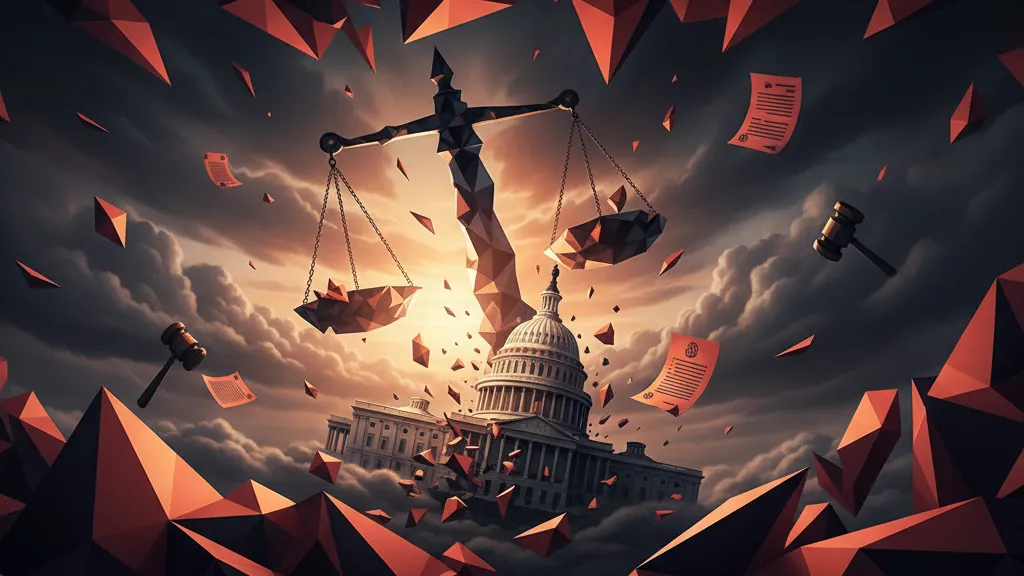
Kwon's sentencing delivers a clear message to the cryptocurrency sector regarding accountability and regulatory enforcement. The case exemplifies the willingness and capability of authorities across multiple jurisdictions to coordinate efforts to prosecute fraud within the digital asset space, irrespective of the decentralized characteristics of blockchain technology.
Additionally, this ruling may shape the future structure and regulation of cryptocurrency projects, potentially ushering in stricter oversight and due diligence requirements for algorithmic stablecoins and similar financial instruments.
Conclusion
Do Kwon's 15-year sentence marks a decisive moment in the regulatory landscape of cryptocurrency enforcement. As he prepares to serve time in both the United States and South Korea, this case serves as a cautionary tale about the ramifications of financial fraud in the digital era, reinforcing the principle that cryptocurrency operations are subject to traditional legal frameworks.
Why It Matters
For Traders
This ruling highlights the increasing scrutiny on fraudulent practices in the crypto market, which could lead to heightened volatility as regulatory frameworks evolve.
For Investors
Long-term investors should take note of the implications of this case, as it underscores the potential risks associated with projects lacking stringent regulatory oversight, particularly in unstable environments.
For Builders
Developers and builders in the cryptocurrency space need to prioritize compliance and transparency in their projects to avoid similar repercussions, ensuring that their innovations align with emerging regulatory standards.
This article is for information only and is not financial advice. Read the full disclaimer.