DTCC Tokenizes Russell 1000 Shares; What On-Chain Equities Mean
The DTCC has begun tokenizing Russell 1000 shares, moving real equities onto blockchain infrastructure. The move raises questions about backing models, custody, and how tokenized stocks differ from derivatives.
Written by CoinArticle’s AI Newsroom · from 1 cited source. How we work
DTCC Enters Tokenized Equity Market
The Depository Trust & Clearing Corporation, the U.S. financial system's central post-trade infrastructure, has started tokenizing Russell 1000 index constituents. This represents the first large-scale integration of actual equity shares into blockchain networks by a systemically important settlement operator. Tokenized shares represent fractional ownership of real underlying securities held in custody, distinguishing them from perpetual futures or synthetic derivatives that track price without conferring any claim on the underlying asset.
How Tokenized Stocks Work
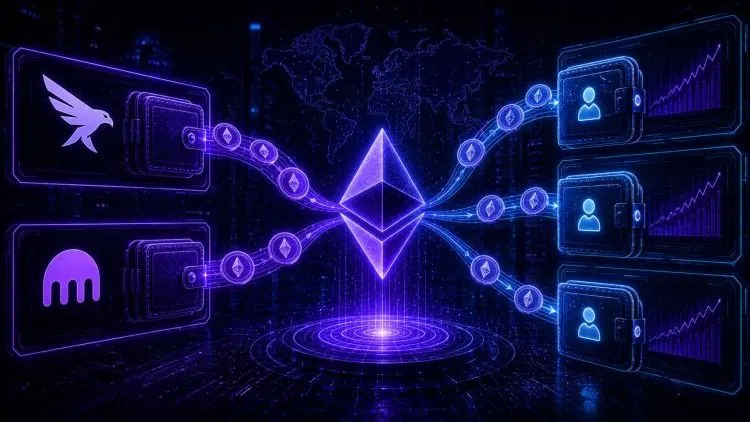
When a stock is tokenized, the issuer or custodian mints blockchain-native tokens, each backed by a corresponding share held in traditional custody. Holders of these tokens own claims on the underlying equity and retain economic rights including dividends and voting, though the actual share remains registered in the custodian's name on the books of the transfer agent. The token serves as a bearer instrument, allowing settlement directly on-chain without intermediaries.
Tokenized equity differs structurally from perpetual futures, which are derivative contracts that track price but grant no ownership stake, dividend rights, or voting power. It also differs from other on-chain representations like wrapped tokens, which are typically issued by third parties and carry counterparty risk.
Custody and Risk Considerations
The backing model matters significantly for risk. Tokenized stocks issued by the DTCC inherit the settlement and custody framework of traditional U.S. equities, including SIPC insurance coverage and SEC oversight. Custody of the underlying shares remains with the DTCC or its appointed custodians, reducing but not eliminating counterparty risk relative to third-party tokenization schemes.
Key risks include blockchain-specific operational failures, custody concentration, and regulatory ambiguity around the tax treatment and legal status of tokenized shares across jurisdictions. Fractional ownership also creates accounting and settlement edge cases not yet standardized across platforms.
Why It Matters
For Traders
Tokenized Russell 1000 shares may offer lower settlement latency and 24/7 tradability versus traditional markets, but custody and regulatory status are still being tested.
For Investors
DTCC tokenization signals institutional acceptance of on-chain settlement for equities, though custody and tax treatment remain unresolved in most jurisdictions.
For Builders
DTCC infrastructure enables new settlement layers for equities; developers can explore interoperability between tokenized stocks and DeFi protocols, subject to regulatory constraints.
This article is for information only and is not financial advice. Read the full disclaimer.