El Salvador's Bitcoin Reserve Faces IMF Scrutiny Over Accounting Standards
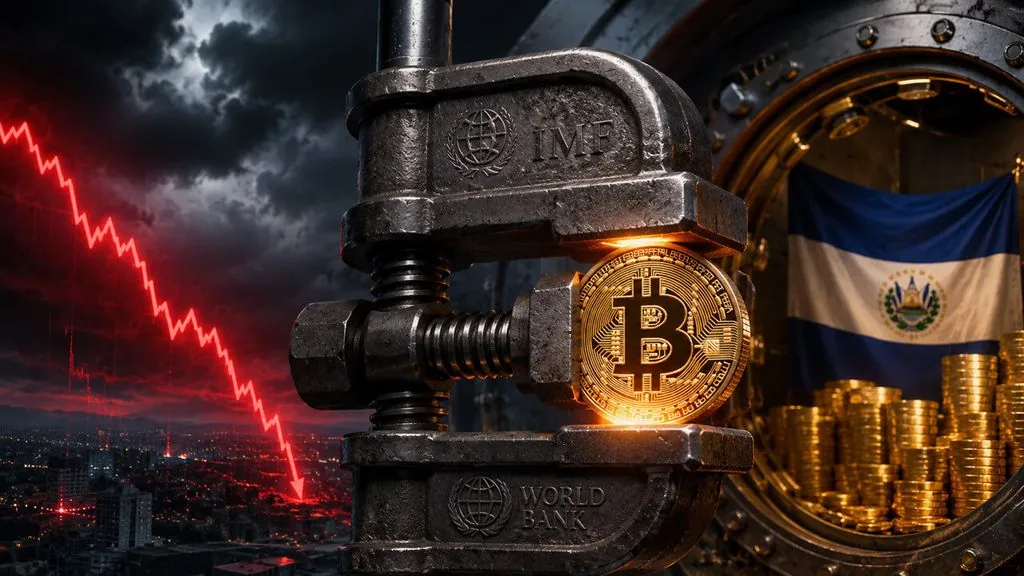
El Salvador's 7,696 BTC reserve is now subject to stricter IMF oversight as part of revised loan program conditions. The pressure requires clearer accounting and wallet transparency standards for the holdings.
Written by CoinArticle’s AI Newsroom · from 1 cited source. How we work
IMF Program Conditions Tighten
El Salvador's Bitcoin reserve has become subject to enhanced IMF scrutiny as part of revised conditions attached to the country's Extended Fund Facility agreement. The 7,696 BTC holdings must now meet specific accounting and transparency requirements, marking a shift from the more permissive treatment the reserve received under previous program frameworks.
The IMF's conditions reflect broader concerns about how sovereign Bitcoin holdings are classified, valued, and reported in national financial statements. El Salvador does not currently hold its reserve under a standard central bank accounting regime; instead, the Bitcoin Trust — a legal entity established in 2022 — holds title to the coins. This structure now faces pressure to become more legible to international financial oversight bodies.
What Changed
The new program conditions require El Salvador to maintain transparent wallet records and establish clear protocols for any drawdown of the reserve. The IMF is also pressing for standardized accounting treatments that align with how other central banks report digital asset holdings, rather than treating Bitcoin as a unique case outside traditional asset accounting frameworks.
El Salvador president Nayib Bukele has championed Bitcoin adoption as national policy since 2021, when the country made it legal tender. The reserve has grown through strategic purchases and volcanic-bond sales. However, the tension between Bitcoin's decentralized ethos and the IMF's demand for centralized, auditable control structures now shapes how the reserve must be managed and reported.
Why It Matters
For Traders
Any forced or programmatic drawdown of El Salvador's reserve under IMF conditions could add sell pressure to spot markets if timed to specific economic milestones.
For Investors
The precedent sets expectations for how sovereign Bitcoin reserves will be audited and reported, potentially affecting future adoption by other nations and institutions.
For Builders
Stricter accounting standards for Bitcoin holdings may drive demand for on-chain custody and attestation protocols that satisfy both decentralized verification and regulatory transparency.
This article is for information only and is not financial advice. Read the full disclaimer.