FCC Robocall Rule May Increase Phone Account Targeting Risk for Crypto Users
The FCC's proposed robocall prevention rule would require voice service providers to collect and retain customer names, addresses, government IDs, and alternate phone numbers for up to four years after service ends. Security researchers warn the consolidated customer data could make phone accounts a higher-value target for attackers seeking to compromise crypto holdings via SIM swaps.
Written by CoinArticle’s AI Newsroom · from 1 cited source. How we work
What the FCC Proposes
The FCC published a proposed rule under CG Docket Nos. 17-59 and 02-278 on May 26 that would mandate originating voice service providers collect and retain detailed customer information to combat robocalls. Required data points include customer names, physical addresses, government-issued identification numbers, alternate telephone numbers, and supporting verification records. The agency proposes a four-year retention window after the customer relationship ends.
Security Implications for Crypto Users
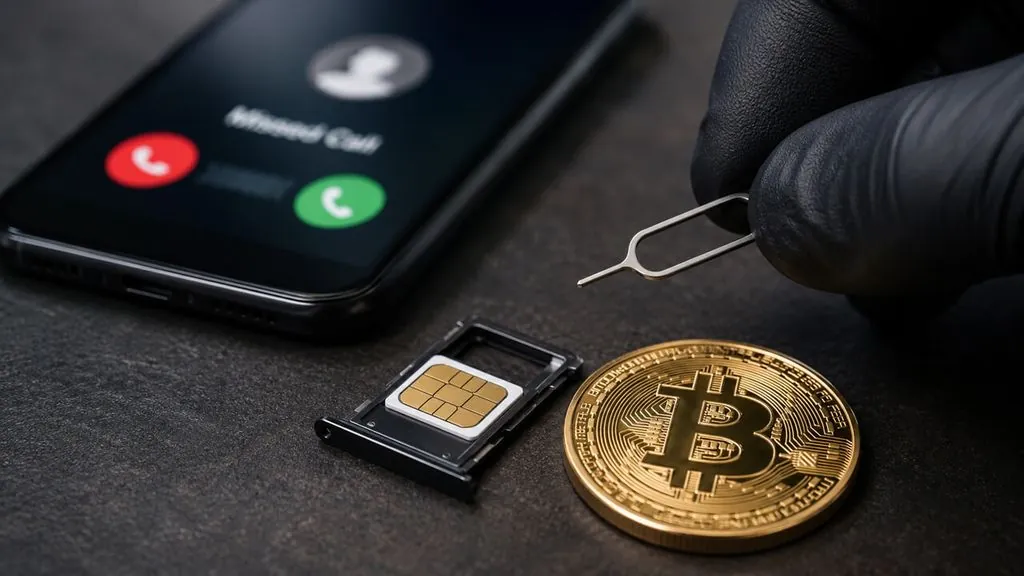
The consolidated dataset creates a centralized record of sensitive personally identifiable information tied to phone accounts. Security researchers have flagged concern that voice service providers—historically weaker targets than financial institutions—could become attractive vectors for attackers conducting SIM swap operations. A SIM swap gives an attacker temporary control of a phone number; combined with a trove of identity documents and backup contact numbers, the attack surface expands significantly. Attackers could use the retained data to impersonate customers, request SIM transfers, and gain access to two-factor authentication codes used to secure exchange accounts and self-custody wallets.
Open Questions on Implementation
The FCC's rule is still in public comment period, meaning the exact scope, enforcement timeline, and data security requirements remain in flux. Telecom carriers will likely lobby for narrower retention windows and limits on data access. Industry groups representing crypto exchanges and wallet providers have not yet formally commented on the proposal, though consumer advocates have raised privacy concerns across multiple regulatory contexts.
Why It Matters
For Traders
SIM swap attacks targeting exchange accounts could increase in frequency if telecom providers retain identity data; consider hardware keys and non-SMS 2FA where available.
For Investors
Centralized identity repositories at telecom carriers create systemic custody risk for crypto holdings; regulatory friction around data retention may accelerate demand for decentralized identity solutions.
For Builders
Hardware-based authentication and passwordless login flows become higher-priority security vectors as phone-based attack surface expands; wallet makers should audit 2FA dependencies on SMS.
This article is for information only and is not financial advice. Read the full disclaimer.