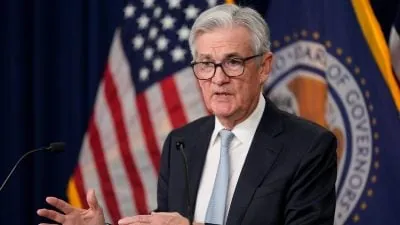
Fed Official Cites Energy Inflation Risk From Iran Tensions, May Delay Rate Cuts
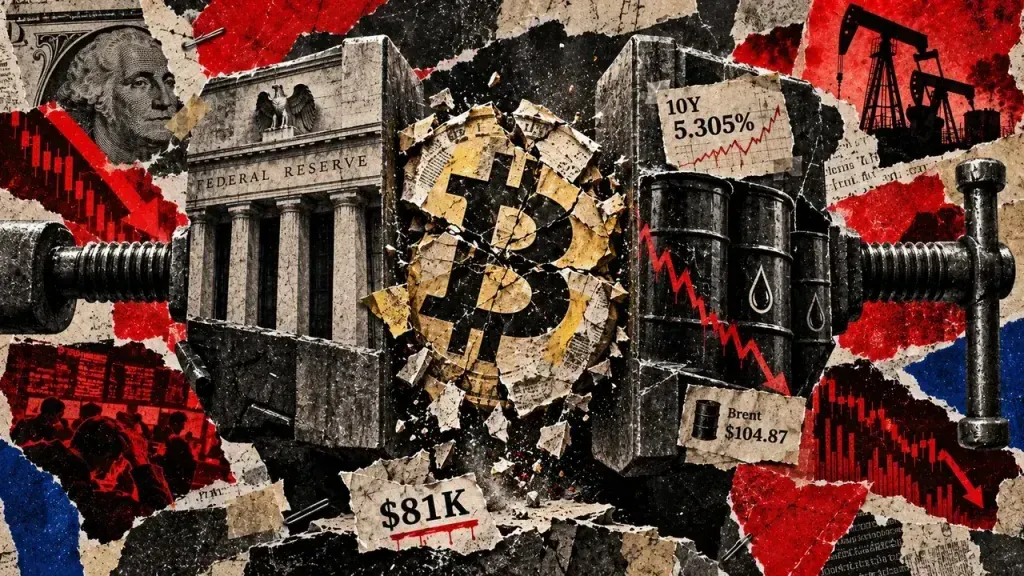
Federal Reserve official Austan Goolsbee warned Tuesday that persistent energy inflation stemming from Middle East geopolitical tensions could prolong elevated interest rates. The remarks suggest the central bank may hold rates higher for longer if oil prices remain elevated due to regional conflict.
Written by CoinArticle’s AI Newsroom · from 1 cited source. How we work
Fed's Energy Inflation Concern
Austan Goolsbee, president of the Federal Reserve Bank of Chicago, cited persistent energy inflation as a key risk to the Fed's disinflation path, linking the pressure partly to geopolitical tensions in Iran. The remarks indicate the central bank is monitoring oil market volatility as a potential headwind to its rate-cutting timeline, which has been complicated by sticky goods and energy prices despite progress on core inflation.
Implications for Rate Policy
If energy inflation remains elevated due to geopolitical risks, the Fed may maintain its current interest rate stance longer than previously signaled. Higher oil prices feed into broader price pressures and can derail consumer expectations around inflation, forcing policymakers to hold steady or even tighten further. Global economic stability depends partly on the Fed's ability to reduce rates once inflation fully recedes; prolonged energy shocks could delay that outcome for months.
Why It Matters
For Traders
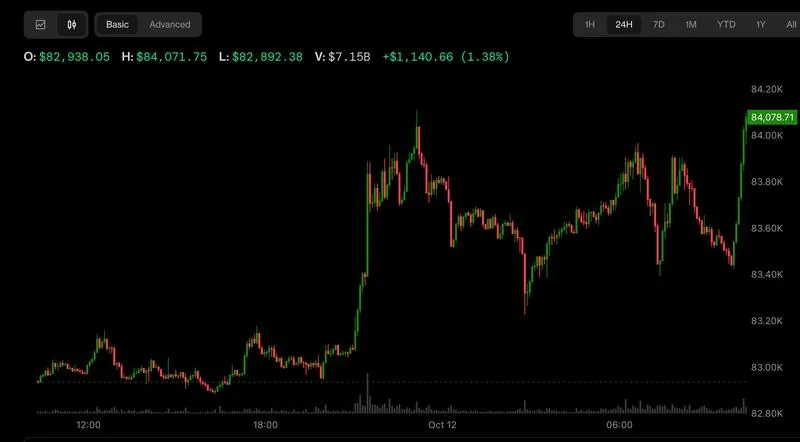
Higher-for-longer rate expectations typically pressure risk assets; Bitcoin and equities may face headwinds if Fed officials signal persistent hawkishness on energy inflation grounds.
For Investors
Geopolitical energy shocks that delay Fed rate cuts extend the period of elevated real yields, potentially depressing valuations across crypto and growth equities.
For Builders
Sustained high interest rates reduce venture capital availability and increase opportunity cost for staking rewards relative to risk-free rates, pressuring protocol token valuations.
This article is for information only and is not financial advice. Read the full disclaimer.