Fed Removes 'Reputational Risk' from Bank Supervision: What It Means for Crypto
The Federal Reserve is set to remove 'reputational risk' from its bank supervision guidelines, marking a significant shift in regulatory strategy. This change aims to enhance clarity and consistency in the evolving landscape of crypto banking.
Written by CoinArticle’s AI Newsroom · from 1 cited source. How we work
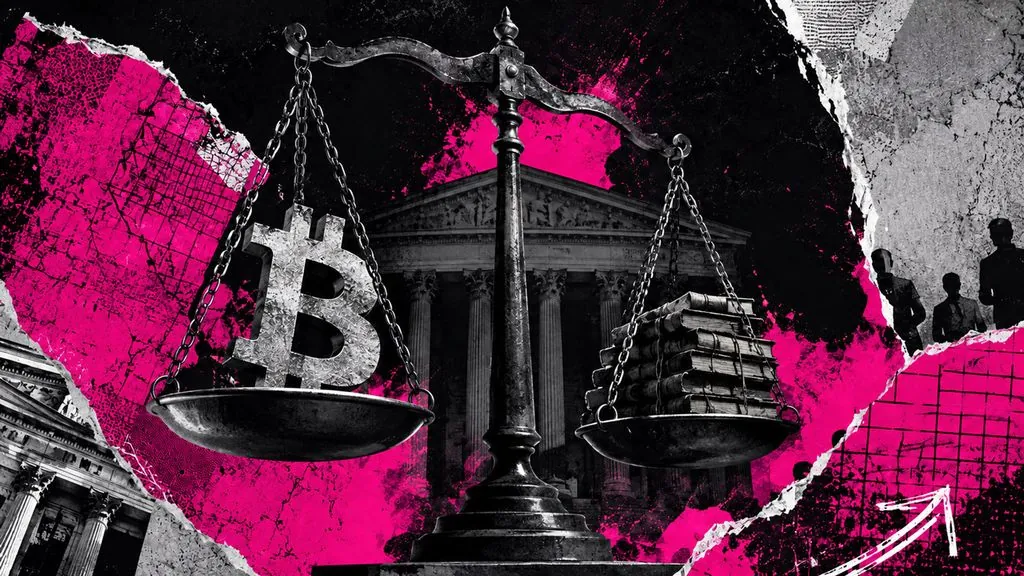
Fed Moves to Permanently Drop 'Reputational Risk' From Bank Supervision
The Federal Reserve (Fed) has announced its intention to permanently remove the concept of 'reputational risk' from its bank supervision guidelines. This move aims to streamline the regulatory landscape for financial institutions, particularly in the wake of increased scrutiny over the evolving crypto banking sector. As the line between traditional banking and cryptocurrency continues to blur, this decision is seen as a pivotal shift in regulatory strategy.
Background
Historically, the term 'reputational risk' has served as an informal benchmark for regulators assessing banks' behavior and practices, influencing their supervisory decisions. However, critics argue that this vague concept can lead to subjective interpretations and inconsistencies among regulators. Proponents of the Fed’s decision advocate for the establishment of clearer rules that would replace informal supervisory pressure with solid guidelines. This clarity may thus pave the way for greater consistency and transparency in bank supervision.
Industry & Legislative Response
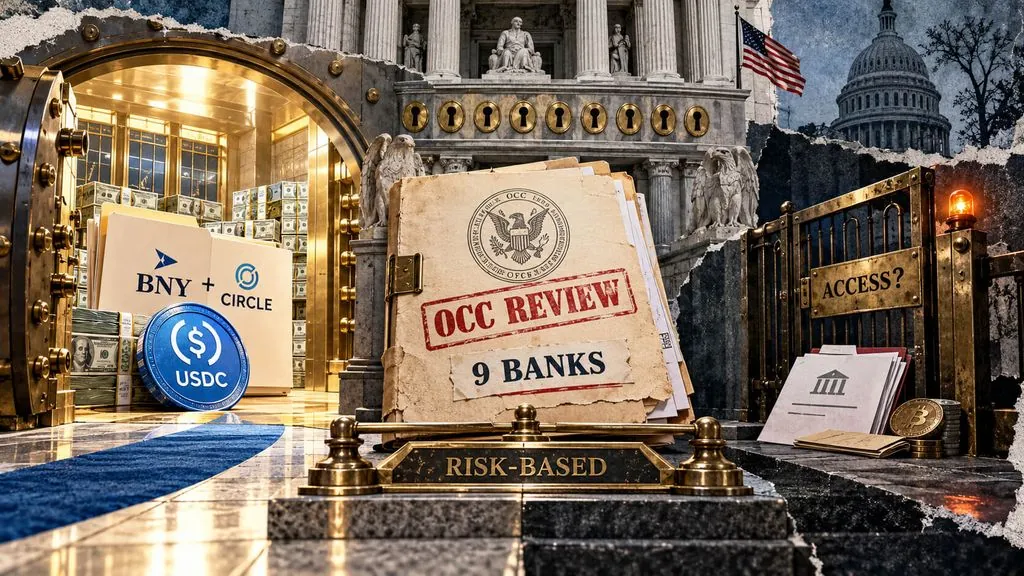
In tandem with the Fed's decision, lawmakers and banking industry representatives are urging Congress to introduce explicit regulations regarding crypto banking access. The crypto industry has long operated within a regulatory gray area, making it challenging for banks to engage with digital assets without risking their reputations and regulatory compliance. Establishing clear regulations could foster a more predictable environment for banks looking to provide services related to cryptocurrencies, especially as consumer interest and institutional participation continue to surge.
Why It Matters
For Traders
Traders can view this regulatory shift as a potential green light for increased involvement of traditional banks in the cryptocurrency space. With reputational risk removed as a pressing concern, banks may feel more empowered to innovate and offer crypto-related products and services, potentially enhancing market liquidity and creating new trading options.
For Investors
For investors, clarity in regulations offers both opportunities and challenges. While clearer guidelines may encourage banks to adopt cryptocurrency-friendly practices, any new regulations established by Congress could introduce risk factors that affect market dynamics. Investors must stay alert as the regulatory landscape evolves, as shifting policies may impact their investment strategies.
For Builders
Builders in the blockchain and crypto space should be optimistic about the Fed's move towards clearer regulatory frameworks. Increased bank participation could lead to new partnerships and funding opportunities for projects integrating traditional finance with digital assets. However, these builders must remain informed of the regulatory changes implemented by Congress, as compliance will be crucial for long-term viability.
In summary, the Fed's decision to eliminate reputational risk from bank supervision signifies a transformative moment in the regulatory approach to cryptocurrency banking. As lawmakers and industry advocates push for clearer regulations, the implications will reverberate across the trading, investment, and development sectors of the crypto ecosystem.
This article is for information only and is not financial advice. Read the full disclaimer.