Fed Official Links Middle East Tensions to US Inflation Outlook
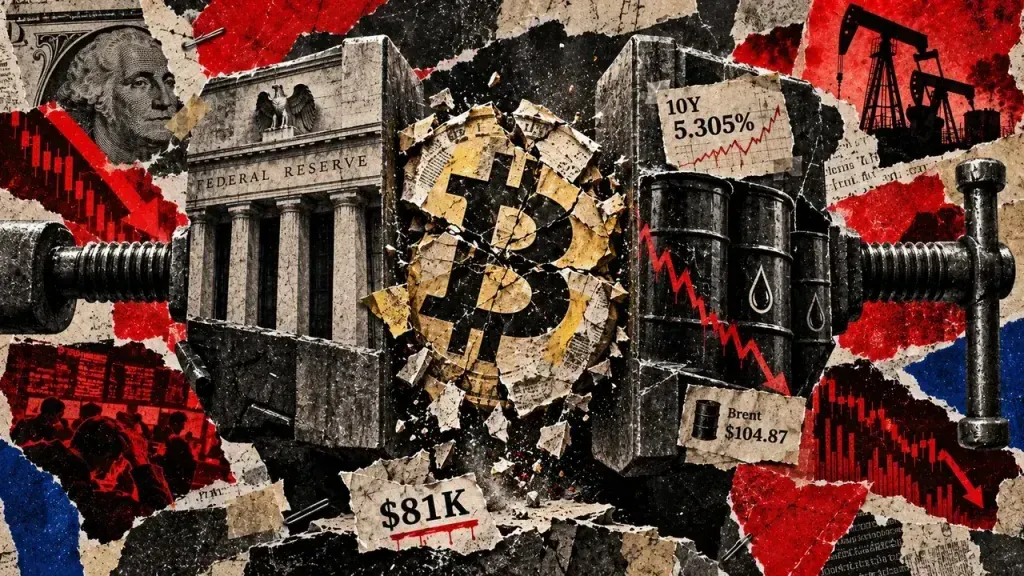
New York Federal Reserve President John Williams said Tuesday that Middle East conflict will lift US headline inflation through higher energy prices, though he maintained the Fed's current policy stance is appropriate. Energy-sensitive assets including crypto have sold off on the prospect of sustained oil price pressure.
Written by CoinArticle’s AI Newsroom · from 1 cited source. How we work
Fed Assessment of Geopolitical Risk
New York Federal Reserve President John Williams told investors Tuesday that escalating Middle East tensions between the US, Israel, and Iran will push US headline inflation higher this year by raising energy costs. Williams did not specify a magnitude for the inflation impact but characterized energy as a meaningful channel through which geopolitical risk reaches consumer prices. He maintained that the Fed's current interest rate posture remains "in the right place" to manage the shock without derailing the disinflation trend.
Market Reaction Across Asset Classes
Energy-sensitive assets, including Bitcoin and other cryptocurrencies, sold off following Williams' remarks. The broader crypto market capitalization declined from recent highs as traders reassessed exposure to assets historically correlated with risk appetite and real rates. Oil prices moved higher on the geopolitical risk premium, a dynamic that typically pressures equities and speculative positions in times of uncertainty.
Inflation Path and Policy Implications
Williams' comments suggest the Fed is preparing markets for a potential re-acceleration of headline inflation in near-term data, though the trajectory will depend on the duration and severity of supply disruptions. The Fed chair's statement that policy remains appropriately calibrated indicates no imminent shift in rate-setting, but acknowledges that external shocks can alter the disinflation narrative that has anchored monetary policy decisions since last year.
Why It Matters
For Traders
Energy price spikes typically compress real yields and increase volatility; positions sensitive to rate expectations or risk sentiment face near-term headwinds.
For Investors
If geopolitical oil shocks persist, inflation may re-accelerate, potentially extending the Fed's hiking cycle and compressing valuations across growth and speculative assets.
For Builders
Sustained energy cost inflation could increase on-chain transaction costs and validation expenses for proof-of-work networks, affecting tokenomics and infrastructure planning.
This article is for information only and is not financial advice. Read the full disclaimer.