Two Men Federally Charged Under 2025 Deepfake Porn Law
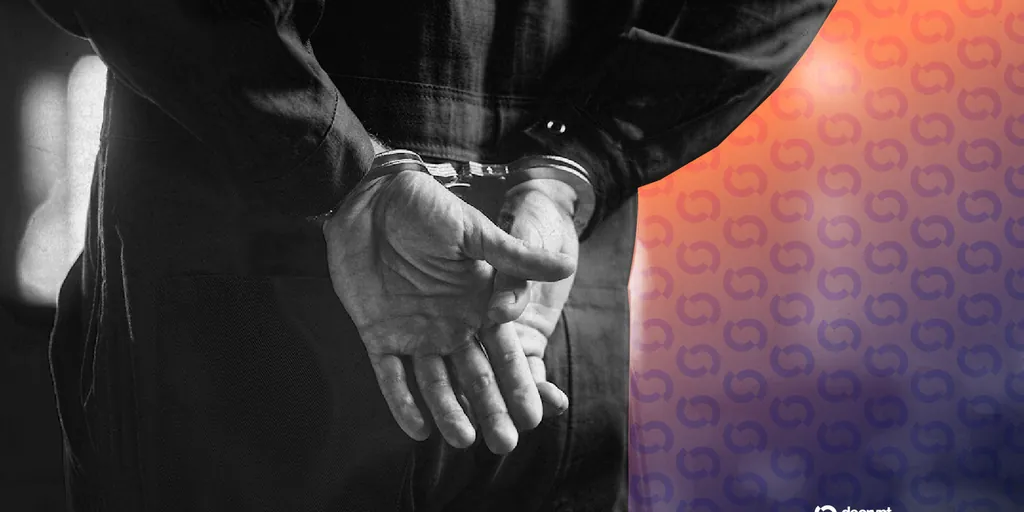
Federal prosecutors charged two men this week under the Take It Down Act, a 2025 law that criminalizes the creation and distribution of non-consensual AI-generated intimate imagery. The charges mark the first enforcement actions under the statute.
Written by CoinArticle’s AI Newsroom · from 1 cited source. How we work
First Charges Under the Take It Down Act
Federal prosecutors charged two men under the Take It Down Act, a statute enacted in 2025 that makes it a crime to create or distribute non-consensual AI-generated intimate imagery. The charges represent the first federal enforcement actions brought under the law, signaling the Justice Department's intent to prosecute creators and distributors of deepfake pornography.
The Statute's Scope
The Take It Down Act criminalizes the production and distribution of synthetic intimate images created without consent. Penalties include fines and potential prison time, with sentencing enhancements for repeat offenders or cases involving minors. The law does not require proof that the synthetic imagery actually depicts a real person — only that it was created and shared without consent and with intent to harm or harass.
Why It Matters
For Traders
This has no direct bearing on cryptocurrency markets or trading positions.
For Investors
Enforcement of AI regulation sets precedent for how governments will handle other synthetic media crimes; implications for AI infrastructure companies' liability remain unclear.
For Builders
AI and content moderation teams should review deepfake detection and removal workflows to avoid similar liability exposure in jurisdictions adopting comparable statutes.
This article is for information only and is not financial advice. Read the full disclaimer.