Federal Reserve Rescinds 2023 Crypto Guidance: A New Era for Banks
The US Federal Reserve's recent decision to rescind its 2023 guidance on cryptocurrency marks a transformative regulatory shift. This move opens the doors for banks to engage more actively in the digital asset space, enhancing the integration of cryptocurrencies within traditional finance.
Written by CoinArticle’s AI Newsroom · from 1 cited source. How we work
Key Takeaways
- 1Increased accessibility for retail and institutional clients seeking digital asset exposure
- 2Enhanced infrastructure development within traditional banking systems
- 3Greater stability in cryptocurrency markets through established financial institutions
- 4Expanded custody and trading services for digital assets
Federal Reserve Rescinds 2023 Crypto Guidance, Opening Doors for Bank Services
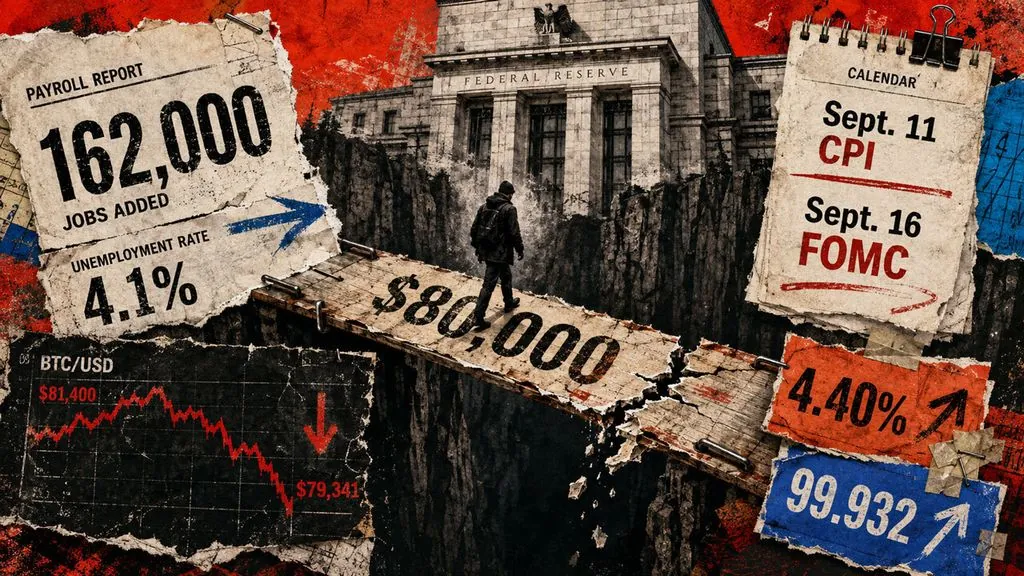
The US Federal Reserve has officially rescinded its 2023 guidance on cryptocurrency and digital asset activities, marking a significant regulatory shift in the banking sector. This decision removes previous restrictions that limited banks' ability to engage with digital asset services, creating a clearer pathway for financial institutions to participate in the cryptocurrency ecosystem.
Background on Previous Guidance
In 2023, the Federal Reserve issued guidance that raised concerns among financial institutions regarding their involvement with cryptocurrency services. The regulatory framework created uncertainty about which digital asset activities banks could safely undertake without facing supervisory scrutiny. This cautious approach reflected the central bank's previous hesitance toward broader cryptocurrency adoption within the traditional banking system.
Regulatory Framework Changes
The rescission of this guidance signals a more permissive regulatory environment for banks seeking to offer digital asset services. Financial institutions can now provide cryptocurrency-related services with greater clarity regarding compliance requirements. The Federal Reserve's decision effectively eliminates barriers that previously deterred banks from entering the digital asset space, though institutions must still operate within existing anti-money laundering and know-your-customer frameworks.
Implications for Institutional Adoption
The policy change is expected to significantly accelerate institutional adoption of cryptocurrencies. By allowing banks to offer digital asset services without heightened regulatory concerns, this decision removes a major obstacle to mainstream cryptocurrency integration. This development could facilitate:
- Increased accessibility for retail and institutional clients seeking digital asset exposure
- Enhanced infrastructure development within traditional banking systems
- Greater stability in cryptocurrency markets through established financial institutions
- Expanded custody and trading services for digital assets
Banking Sector Response
The banking industry has responded positively to this regulatory clarification. Financial institutions that previously avoided cryptocurrency services due to regulatory uncertainty can now evaluate these offerings as part of their business strategies. The move legitimizes digital assets as a standard banking service rather than a speculative or risky endeavor.
Conclusion
The Federal Reserve's rescission of its 2023 crypto guidance represents a pivotal moment in the convergence of traditional banking and digital assets. By removing regulatory barriers, the Fed has facilitated a more welcoming environment for institutional participation in cryptocurrency services. This development is likely to reshape how banks interact with digital assets and accelerate the broader adoption of cryptocurrencies within the financial system.
Why It Matters
For Traders
Traders can expect improved access to cryptocurrency markets through enhanced bank services.
For Investors
Investors will benefit from increased institutional credibility and stability in the cryptocurrency market.
For Builders
Builders can leverage a more engaged banking sector to create innovative digital asset solutions.
This article is for information only and is not financial advice. Read the full disclaimer.