Flash Loan Attack on Makina: $4 Million Lost in DeFi Exploit
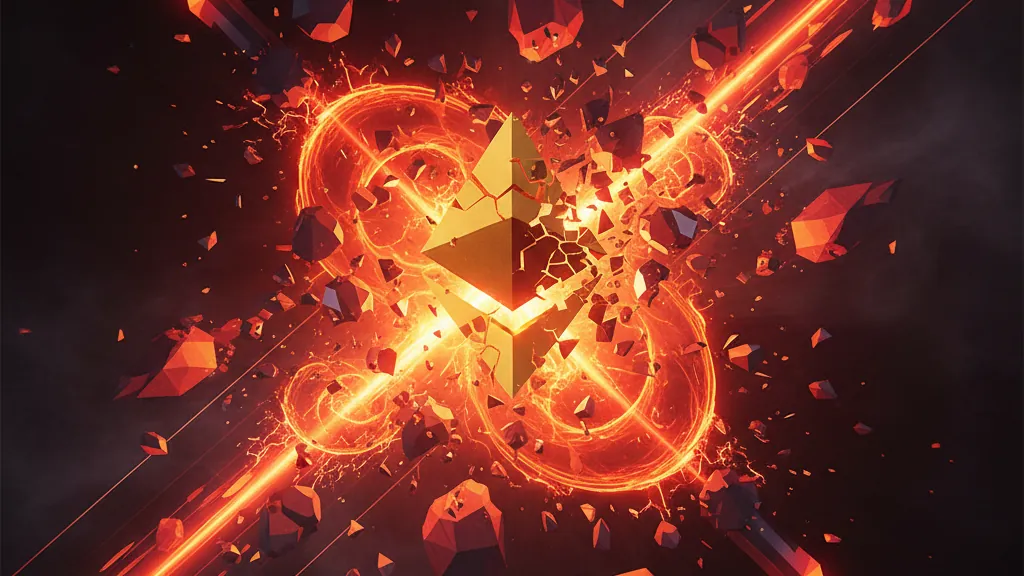
The recent flash loan attack on the Ethereum-based platform Makina has resulted in a significant loss of approximately $4 million in ETH. This incident highlights the vulnerabilities present in decentralized finance (DeFi) protocols and raises critical questions about the safety of user investments.
Written by CoinArticle’s AI Newsroom · from 1 cited source. How we work
Overview
In a notable setback for the decentralized finance (DeFi) ecosystem, the Ethereum-based platform Makina was recently exploited in a sophisticated flash loan attack. This incident, which has sent shockwaves through the DeFi community, resulted in the loss of approximately $4 million in ETH. The exploit raises serious concerns about the vulnerabilities present in DeFi protocols and emphasizes the ongoing risks for users and investors engaged in these platforms.
The Attack
According to initial reports, the hacker employed a flash loan to manipulate the USD-USDC liquidity pool on Makina. Flash loans enable users to borrow funds without collateral, provided the borrowed amount is returned within the same blockchain transaction. In this instance, the attacker exploited the mechanisms of the DeFi platform to artificially inflate prices in the liquidity pool.
Once the price manipulation reached a favorable level, the hacker executed a series of trades that culminated in a substantial profit exceeding $4 million. This exploit not only adversely affected Makina financially but also raised significant alarms regarding the overall security of DeFi protocols, which have gained popularity yet remain susceptible to various forms of attacks.
Implications for the DeFi Space
This incident arrives at a time when DeFi platforms are under increased scrutiny for their security practices. As the industry matures, such exploits could act as a wake-up call for developers to prioritize security measures in their protocols. Consequently, this event may lead to stricter audits, a greater emphasis on enhancing the robustness of liquidity pools, and improved risk management strategies across the board.
Why It Matters
For Traders
For traders actively engaged in DeFi, this incident serves as a cautionary reminder of the inherent risks involved in trading on decentralized platforms.
For Investors
Investors with stakes in Makina or similar DeFi projects may face a temporary downturn in market confidence, underlining the necessity for thorough due diligence when investing in DeFi platforms.
For Builders
For developers and builders within the DeFi space, the Makina exploit emphasizes the critical importance of implementing robust security measures and proactive auditing processes.
As the DeFi landscape evolves, incidents like the Makina exploit will likely shape the future of protocol development and user engagement, driving the industry toward enhanced security and transparency.
Entities: Makina, Ethereum, Flash Loan, ETH, USD-USDC liquidity pool
Categories: DeFi, Security, Exploit
This article is for information only and is not financial advice. Read the full disclaimer.