FSOC's Bold Move: Digital Assets Cleared from Financial Hazards List
In a groundbreaking decision, the FSOC has excluded digital assets from its list of potential financial risks, representing a significant shift in U.S. cryptocurrency regulation and signaling a more favorable climate for the sector.
Written by CoinArticle’s AI Newsroom · from 1 cited source. How we work
Regulatory Shift Marks New Era for Digital Assets
The U.S. Financial Stability Oversight Council (FSOC) has officially removed digital assets from its list of potential financial hazards, marking a crucial pivot in the federal government's stance on cryptocurrency regulation. This development diverges from prior years when the council consistently expressed concerns regarding the rapidly evolving crypto landscape.
Background on the Policy Change
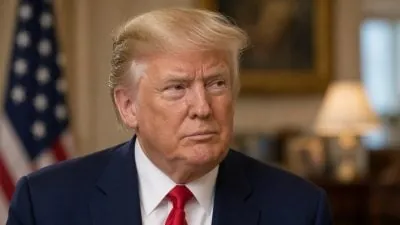
Traditionally, the FSOC, tasked with identifying and monitoring systemic risks to the U.S. financial system, has included digital assets in its annual reports as potential vulnerabilities. However, the latest report notably omits these warnings, indicating a transformative change in the government’s approach to the cryptocurrency industry. This policy evolution is largely attributed to crypto-friendly regulators appointed during Donald Trump's presidency, who have championed a markedly different philosophy toward digital asset oversight compared to their predecessors.
What This Means for the Industry
The exclusion of digital assets from the FSOC's vulnerability assessments holds several significant implications for the cryptocurrency sector:
Regulatory Environment: This decision hints at the emergence of a more accommodating regulatory framework, which could alleviate the compliance uncertainties that have long hindered the industry.
Market Confidence: By no longer considering digital assets as a systemic risk, the FSOC’s stance may bolster institutional investment and accelerate the mainstream adoption of cryptocurrencies, inviting both new players and established financial entities into the space.
Policy Direction: This shift reflects a broader philosophical reorientation among federal regulators regarding blockchain technology and digital currencies, transitioning from risk-centric narratives to a more balanced and supportive outlook.
Industry and Market Impact
The FSOC’s annual report is a critical resource for financial institutions, policymakers, and investors when evaluating systemic risks within the U.S. economy. The elimination of warnings about digital assets could significantly alter how banks, investment firms, and other traditional financial players approach cryptocurrency integration and blockchain technology assimilation.
Conclusion
The FSOC's decision to remove digital assets from its risk assessment underscores a pivotal moment in U.S. cryptocurrency policy. While the long-term repercussions remain to be fully realized, this regulatory shift hints at a more conducive environment for digital asset development and integration into the broader financial ecosystem. Market participants and observers alike will be keenly watching how this policy change is translated into actionable regulatory guidance in the months to come.
Why It Matters
For Traders
This regulatory shift provides a more stable market environment, which may lead to increased trading volumes and opportunities as institutional adoption grows.
For Investors
Long-term investors can expect a more favorable climate for asset appreciation, as decreased regulatory fear could encourage new investments in the crypto space.
For Builders
Developers and startups in the digital asset ecosystem can anticipate a more supportive regulatory environment, allowing for innovation and market expansion without the looming shadow of systemic risk bans.
This article is for information only and is not financial advice. Read the full disclaimer.